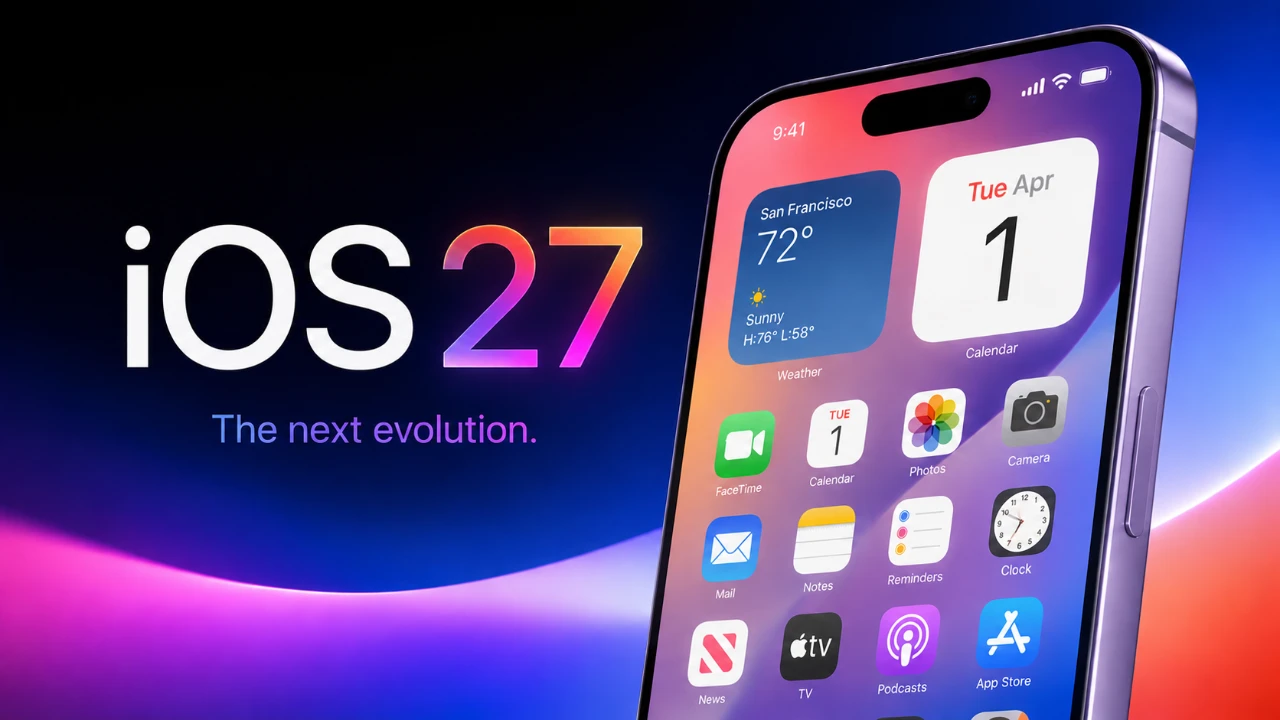
Apple’s iOS 27 update marks a significant step forward, emphasizing performance, stability, and efficiency over introducing an array of flashy new features. This approach echoes the philosophy behind macOS’s “Snow Leopard” update, where refinement and reliability took precedence. Alongside these improvements, Apple is also making a bold move by discontinuing support for older devices like the iPhone 11 series and the second-generation iPhone SE. This shift encourages users to adopt newer hardware, making sure compatibility with the latest advancements. The video below from MacRumors gives us more details on what Apple has planned.

Performance and Stability Take Center Stage
At the core of iOS 27 is Apple’s unwavering focus on performance optimization and system stability. The update introduces several enhancements designed to improve the overall user experience:
- Comprehensive bug fixes to minimize crashes and enhance reliability across all supported devices.
- Optimized code for faster app launches, smoother multitasking and improved responsiveness.
- Battery life improvements, addressing one of the most common concerns among users.
These updates aim to ensure that your device operates seamlessly, even under demanding conditions, delivering a consistent and reliable experience.
Siri’s Evolution with Advanced AI
One of the standout features of iOS 27 is the transformation of Siri, now powered by innovative AI technologies. Inspired by conversational AI models like ChatGPT, Siri has been reimagined to provide a more intelligent and intuitive experience. Key improvements include:
- Context-aware responses that adapt dynamically to your specific needs and preferences.
- Deeper integration with core apps such as Messages, Mail and Calendar for enhanced productivity.
- A dedicated Siri app for iOS, iPadOS and macOS, allowing seamless cross-device functionality.
Siri’s interface also receives a visual refresh, incorporating a dynamic island design and subtle animations for a modernized look. These advancements highlight Apple’s collaboration with Google’s Gemini team, showcasing its commitment to using AI to enhance everyday interactions.
Generative AI in the Photos App
The Photos app in iOS 27 is set to become a powerful tool for creative expression, thanks to the integration of generative AI-powered editing features. These tools are designed to simplify photo editing while delivering professional-quality results:
- Extend: Expands the edges of your images, allowing for broader and more dynamic compositions.
- Enhance: Automatically adjusts lighting, color balance and other parameters to improve image quality.
- Reframe: Refocuses and repositions your photos to better suit your preferences or artistic vision.
While some features may experience delays due to development complexities, these tools underscore Apple’s dedication to integrating AI-driven innovation into its ecosystem, making advanced photo editing accessible to all users.
Visual Intelligence: Bridging the Physical and Digital Worlds
iOS 27 introduces enhancements in visual intelligence, allowing your device to interact more effectively with the physical world. These upgrades are designed to simplify everyday tasks and improve productivity:
- Scanning nutrition labels and seamlessly integrating the data into the Health app for effortless dietary tracking.
- Extracting key details such as phone numbers, addresses and event dates from printed materials, which can be directly added to apps like Contacts or Calendar.
These features aim to streamline how you manage information, offering practical solutions that save time and effort.
Connectivity Redefined: Satellite and 5G Expansion
Connectivity takes a significant leap forward with iOS 27, as Apple expands its satellite capabilities and strengthens its 5G infrastructure. Notable advancements include:
- Support for 5G satellite internet on newer devices like the iPhone 18 Pro, Pro Max and Ultra, making sure connectivity in remote areas.
- Satellite-based Apple Maps, allowing navigation even in regions without traditional network coverage.
- The ability to send photos and messages via satellite, providing reliable communication options in isolated locations.
These updates ensure that users remain connected, regardless of their environment, reinforcing Apple’s commitment to delivering dependable technology.
Enhanced Customization for a Tailored Experience
iOS 27 introduces new customization options, giving users greater control over their devices. These features are designed to enhance usability and personalization:
- A systemwide opacity slider, allowing you to adjust transparency levels across the interface for a more personalized look.
- Undo and redo buttons for home screen customization, making it easier to experiment with layouts.
- Improved autocorrect with alternative word suggestions, making sure a smoother and more intuitive typing experience.
These updates empower users to tailor their devices to their unique preferences, enhancing both functionality and aesthetic appeal.
Compatibility and the Push Toward Modern Hardware
With iOS 27, Apple is phasing out support for older devices, including the iPhone 11 series and the second-generation iPhone SE. This decision reflects the company’s focus on using the capabilities of modern hardware to deliver advanced features. AI-driven functionalities, in particular, will be exclusive to newer models like the iPhone 15 Pro and beyond. By encouraging users to upgrade, Apple ensures that they can fully benefit from the latest innovations.
Anticipating the Foldable iPhone Ultra
As Apple prepares to enter the foldable device market, iOS 27 includes features designed to optimize the experience for the rumored iPhone Ultra, expected to launch in September. While specific details remain under wraps, these updates are likely to include interface adjustments and multitasking enhancements tailored to the unique form factor of foldable devices. This move signals Apple’s readiness to compete in a rapidly growing market segment.
Release Schedule and Availability
Apple plans to unveil iOS 27 at the Worldwide Developers Conference (WWDC) on June 8, 2026. The rollout will follow a structured timeline:
- June: Developer beta release, allowing app creators to test and optimize their software.
- July: Public beta release, giving users an early look at the new features.
- September: Official release alongside the iPhone 18 lineup, marking the update’s full availability.
This schedule ensures that both developers and users have ample time to explore and adapt to the new features before the official launch.
Uncover more insights about iOS 27 in previous articles we have written.
Source: MacRumors
Filed Under: Apple, Apple iPhone, Mobile Phone News, Top News
Disclosure: Some of our articles include affiliate links. If you buy something through one of these links, Geeky Gadgets may earn an affiliate commission. Learn about our Disclosure Policy.
Credit: Source link