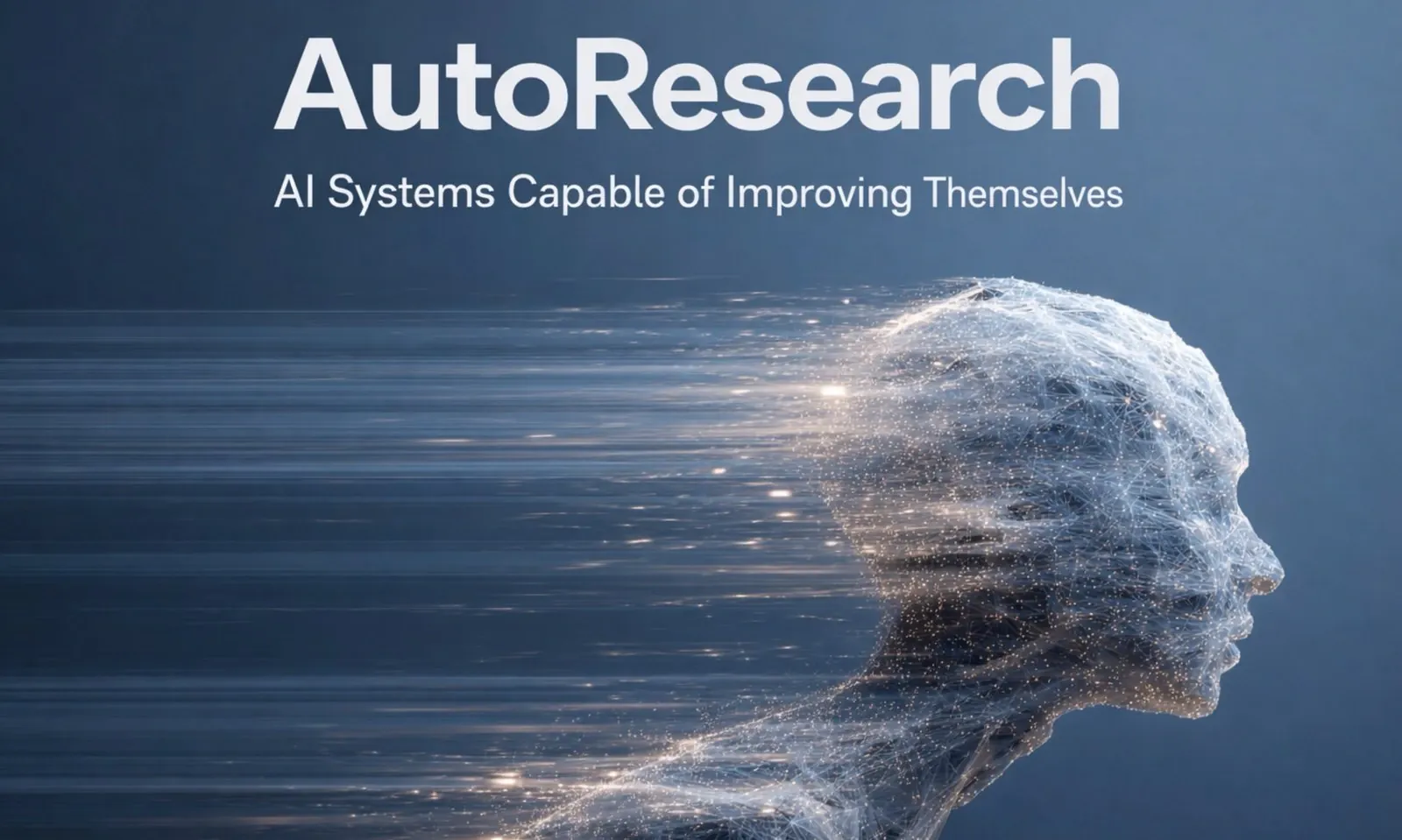
AutoResearch is an open source system designed to refine AI systems through automated experimentation, as detailed by David Ondrej. It operates through a structured cycle that includes hypothesis generation, code modification, training, evaluation and selection, significantly reducing the need for manual input. A key feature of this process is the use of Program.md to define specific goals and constraints, alongside Train.py for implementing and testing changes. This approach provides a clear framework for optimizing AI workflows across various domains.
Explore how to establish clear metrics for tracking progress, automate evaluation to minimize bias and manage editable scopes to maintain control over experiments. Gain insight into practical applications, such as enhancing machine learning models or refining A/B testing strategies, while also understanding the system’s challenges in areas like subjective assessments or tasks with delayed feedback. This feature equips you with the knowledge to apply AutoResearch effectively in your own projects.
What is AutoResearch?
TL;DR Key Takeaways :
- AutoResearch, developed by Andrej Karpathy, automates iterative experimentation, allowing AI systems to refine themselves with minimal human intervention.
- The system operates through a structured feedback loop involving hypothesis generation, code modification, training, evaluation and retention or discarding of results.
- Its core components include three files: Program.md (goal definition), Train.py (editable experimentation file), and Prepare.py (evaluation script for results).
- Applications span diverse industries, including AI model optimization, financial trading, marketing, software development and prompt engineering.
- Limitations include challenges with subjective tasks, slow feedback loops and misaligned metrics, emphasizing the need for clear objectives and careful planning.
AutoResearch is a system built to automate the process of iterative improvement. Developed by Andrej Karpathy, a renowned AI researcher and co-founder of OpenAI, it operates in a continuous feedback loop. The process begins with hypothesis generation, followed by code modification, training, evaluation and finally, either retaining successful results or discarding unsuccessful ones. This structured cycle enables AI systems to optimize their performance with minimal manual oversight.
The tool excels in tasks with measurable objectives and quick feedback loops. By automating these processes, AutoResearch significantly reduces the time and effort required for experimentation, making it an invaluable resource for researchers, developers and professionals across various domains.
How AutoResearch Works: Core Components
AutoResearch’s architecture is both streamlined and effective, consisting of three essential files that serve distinct purposes:
- Program.md: This file defines the system’s goals, constraints and operational rules. It serves as the blueprint for the AI’s tasks, making sure clarity and focus.
- Train.py: The editable file where the AI implements changes. This is the primary area for experimentation and optimization, allowing the system to test new approaches.
- Prepare.py: An evaluation script that measures the results of the AI’s modifications. It ensures that changes align with predefined metrics and prevents the system from exploiting loopholes.
This simple yet powerful structure makes AutoResearch accessible even to those with limited experience in AI development, allowing a wide range of users to experiment and innovate.
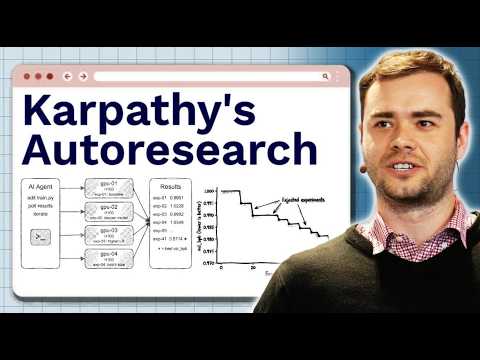
Browse through more resources below from our in-depth content covering more areas on AutoResearch and AI research.
Key Principles for Effective Use
To fully harness the potential of AutoResearch, it is essential to adhere to several guiding principles:
- Define Clear Metrics: Success relies on establishing well-defined, measurable objectives that can be quantitatively evaluated. Without clear metrics, the system may produce suboptimal results.
- Automate Evaluation: Minimizing human intervention ensures unbiased and efficient assessment of results, allowing the system to operate autonomously.
- Limit Editable Scope: Restricting modifications to a single file, such as Train.py, reduces complexity and enhances control over the experimentation process.
By following these principles, you can ensure that AutoResearch operates efficiently and delivers meaningful, actionable results.
Applications Across Industries
AutoResearch’s versatility makes it applicable across a wide range of industries. Here are some of the most impactful areas where it can be utilized:
- AI Model Optimization: Automating the training and refinement of machine learning models to improve accuracy, efficiency and scalability.
- Financial Trading: Testing and optimizing trading strategies using historical market data to enhance financial outcomes and reduce risk.
- Marketing: Automating A/B testing for ad campaigns, email strategies and landing pages to maximize conversion rates and customer engagement.
- Software Development: Iteratively improving codebases to enhance performance, reduce errors and streamline workflows.
- Prompt Engineering: Refining AI system instructions to improve contextual understanding and output quality, particularly in natural language processing tasks.
These examples demonstrate how AutoResearch can drive innovation, efficiency and optimization across diverse fields, making it a valuable tool for professionals and organizations alike.
Recognizing Limitations
While AutoResearch is a powerful tool, it is not without its limitations. Understanding these constraints is crucial for effective deployment and realistic expectations:
- Subjective Tasks: The system struggles with tasks that lack clear, objective metrics, such as brand design or user experience optimization, where qualitative judgment is required.
- Slow Feedback Loops: Tasks with delayed results, such as long-term marketing strategies, hinder the system’s ability to iterate effectively.
- Misaligned Metrics: Poorly defined objectives can lead to suboptimal or counterproductive outcomes, emphasizing the importance of careful planning.
Recognizing these limitations allows you to identify suitable use cases for AutoResearch and avoid common pitfalls during implementation.
Future Potential
The implications of AutoResearch extend far beyond its current applications. As autonomous AI systems become more advanced, they could transform collaborative research efforts, much like early distributed computing projects such as SETI@home. Imagine AI agents working together to solve complex problems, driving innovation across industries ranging from healthcare to environmental science.
Additionally, AutoResearch’s ability to optimize workflows and processes could transform productivity in both professional and personal contexts. By automating repetitive tasks and allowing data-driven decision-making, it represents a significant step toward scalable AI systems capable of meaningful contributions across various domains.
Getting Started with AutoResearch
Exploring AutoResearch is a straightforward process, thanks to its open source nature. Platforms like GitHub provide the necessary tools and resources to get started. For example, you could use AutoResearch to optimize website performance by running iterative experiments on server configurations and code adjustments. This practical application highlights how the system can deliver tangible benefits with minimal setup, making it accessible to a wide range of users.
Broader Implications
AutoResearch exemplifies the growing trend toward autonomous AI systems capable of performing complex, scalable tasks. By emphasizing the importance of clear metrics and constraints, it underscores the need for careful planning and execution in AI-driven optimization efforts. As these systems continue to evolve, they hold the potential to transform industries, redefine workflows and expand the boundaries of what AI can achieve.
AutoResearch is more than just a tool, it is a framework for innovation, offering a glimpse into the future of AI-driven automation and optimization. By understanding its core components, principles and limitations, you can unlock its full potential and drive meaningful advancements in your field. Whether you are optimizing AI models, refining trading strategies, or enhancing software performance, AutoResearch provides a robust and adaptable platform for success.
Media Credit: David Ondrej
Filed Under: AI, Top News
Disclosure: Some of our articles include affiliate links. If you buy something through one of these links, Geeky Gadgets may earn an affiliate commission. Learn about our Disclosure Policy.
Credit: Source link