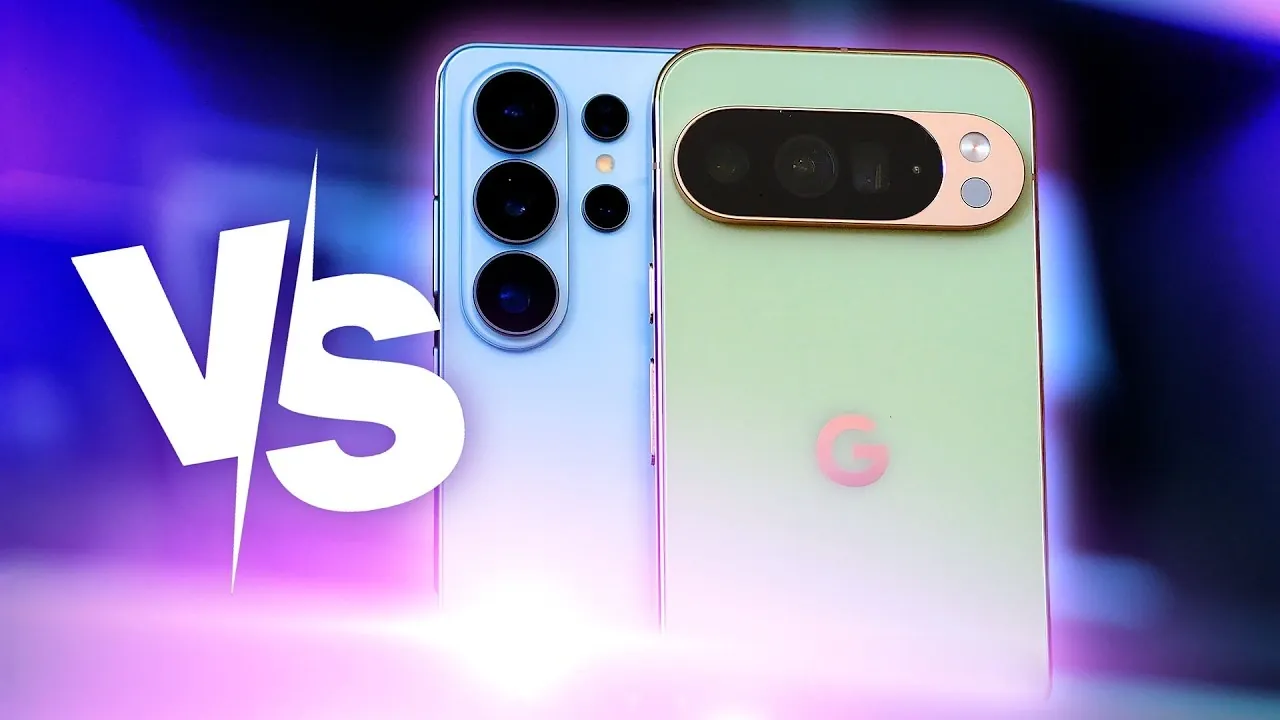
In 2026, the Galaxy S26 Ultra and Pixel 10 Pro XL stand as the pinnacle of Android smartphones, each offering distinct advantages tailored to different user preferences. Samsung’s Galaxy S26 Ultra excels with its innovative hardware, exceptional performance, and extensive customization options. On the other hand, Google’s Pixel 10 Pro XL focuses on AI-driven innovation and advanced camera technology, appealing to users who prioritize software intelligence and imaging excellence. Choosing between these two flagship devices ultimately depends on your priorities, whether you value raw power and versatility or software-driven innovation and photography prowess.

Design and Build: Sleek vs. Iconic
Both smartphones feature premium materials and large displays, but their design philosophies diverge. The Galaxy S26 Ultra showcases a refined aesthetic with a thinner profile, lighter weight and slimmer bezels, offering a modern and ergonomic feel. Its design prioritizes comfort and usability, making it an ideal choice for users who value sleekness. In contrast, the Pixel 10 Pro XL retains its iconic design language, which some may find appealing for its familiarity. However, its slightly wider bezels and bulkier build give it a less contemporary appearance. If a polished and lightweight design is a priority, the Galaxy S26 Ultra delivers a superior experience.
Display Technology: Samsung’s Expertise Shines
Samsung’s dominance in display technology is evident in the Galaxy S26 Ultra. Its reflection-canceling coating enhances outdoor visibility, while the privacy display feature limits viewing angles, making sure both usability and security. These innovations make the S26 Ultra’s display ideal for a variety of environments and use cases. The Pixel 10 Pro XL, while offering a vibrant and sharp display, lacks these advanced features. For users who demand the best in display clarity and functionality, Samsung’s expertise gives the S26 Ultra a clear edge in this category.
Performance: Power vs. AI Optimization
The Galaxy S26 Ultra is powered by the Snapdragon 8 Elite Gen 5 processor, delivering unmatched performance for gaming, multitasking and demanding applications. Its raw power ensures smoother operation and higher benchmark scores, making it the go-to choice for users who prioritize speed and efficiency. The Pixel 10 Pro XL, equipped with the Tensor G5 processor, takes a different approach by focusing on AI-driven optimization. While it includes additional RAM, much of it is dedicated to AI-specific tasks, which may not benefit all users equally. For those who value raw performance and versatility, the Galaxy S26 Ultra is the superior option.
Battery Life and Charging: Efficiency Meets Speed
Both devices feature similar battery capacities, but the Galaxy S26 Ultra’s advanced processor ensures greater energy efficiency, offering longer usage on a single charge. Samsung also leads in charging speed, with 60W fast charging compared to the Pixel’s 45W. This makes the S26 Ultra a better choice for users who need quick power-ups. However, the Pixel 10 Pro XL introduces G2 magnets for MagSafe-compatible accessories, adding versatility for users invested in that ecosystem. If faster charging and extended battery life are critical to your needs, the Galaxy S26 Ultra holds a distinct advantage.
Camera Technology: AI vs. Hardware
The Galaxy S26 Ultra and Pixel 10 Pro XL cater to different photography preferences. Samsung’s upgraded lenses excel in low-light conditions, producing vibrant, ready-to-share images with minimal effort. Meanwhile, the Pixel 10 Pro XL uses AI-driven enhancements to deliver natural-looking photos and videos. Features like ProRes zoom and cloud-based Video Boost appeal to photography enthusiasts who value subtlety and innovation. If you prioritize hardware-driven results and vibrant imagery, the Galaxy S26 Ultra is the ideal choice. For those who appreciate AI-powered tools and nuanced photography, the Pixel 10 Pro XL stands out.
Video Capabilities: Native Quality vs. Cloud Processing
When it comes to video recording, the Galaxy S26 Ultra captures brighter and more detailed nighttime footage natively, thanks to its advanced hardware. This makes it a strong choice for content creators who require high-quality video output. The Pixel 10 Pro XL, while capable, relies on cloud processing through its Video Boost feature to enhance nighttime videos. Additionally, Samsung’s video formats are more editor-friendly, offering greater flexibility for post-production. If video quality and editing versatility are important to you, the Galaxy S26 Ultra is the better option.
Software and Features: Customization vs. AI Innovation
Samsung’s One UI provides unparalleled customization and productivity tools, such as Samsung DeX and GoodLock, allowing users to tailor their experience to their specific needs. This makes the Galaxy S26 Ultra a versatile device for both personal and professional use. In contrast, the Pixel 10 Pro XL focuses on exclusive AI-driven features, including advanced photo editing, call screening and contextual tools like Now Playing. Both interfaces are polished and user-friendly, but your preference will depend on whether you value customization or AI-powered convenience.
Which Flagship Fits Your Needs?
The Galaxy S26 Ultra is the clear choice for users who prioritize performance, battery efficiency and customization. Its superior hardware, advanced display technology and extensive software features make it the most versatile flagship of 2026. However, the Pixel 10 Pro XL remains a compelling option for those who value AI-driven features and camera innovation. Ultimately, your decision hinges on whether you seek a powerful, all-around device or a smartphone that excels in software intelligence and imaging advancements.
Below are more guides on Galaxy S26 Ultra from our extensive range of articles.
Source & Image Credit: XDA
Filed Under: Android News, Guides, Mobile Phone News, Top News
Disclosure: Some of our articles include affiliate links. If you buy something through one of these links, Geeky Gadgets may earn an affiliate commission. Learn about our Disclosure Policy.
Credit: Source link