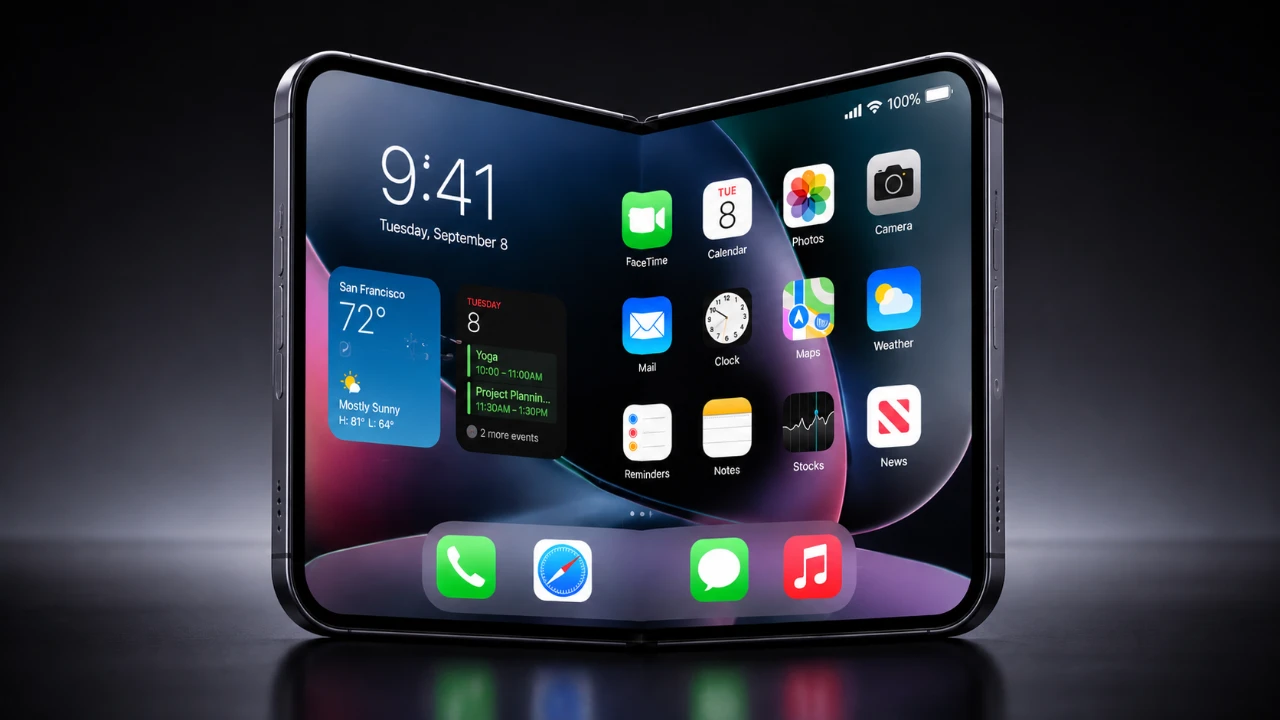
Apple is expected to enter the foldable smartphone market with the iPhone Ultra (Fold), a device that seeks to combine a striking design with seamless integration into the Apple ecosystem. This foldable smartphone introduces a wide internal display, enhancing multitasking and content consumption. However, it comes with notable trade-offs in usability, hardware features, and pricing.
The video below from ZONEofTech explores the iPhone Ultra’s design, rumored performance, and market positioning, offering insights into what Apple’s first foldable device is expected to bring to the table. The video features a model of Apple’s new iPhone Ultra based on various leaks.

Design: Compact Yet Bulky
The iPhone Ultra’s design reflects a balance between innovation and compromise. When folded, the device measures 11mm in thickness, making it noticeably bulkier than competitors such as the Galaxy ZFold 7 and Oppo Find N6. While unfolding the device reduces its thickness to 5.5mm, the hinge mechanism protrudes more than those of its rivals, contributing to its overall heft and affecting its portability.
The external screen is short and wide, which can feel awkward for one-handed use, especially for tasks like texting or quick browsing. On the other hand, the internal display excels in vertical orientation, providing ample space for typing, reading and multitasking. This design prioritizes functionality over portability, but the added bulk may deter users seeking a sleeker foldable experience. For those who value screen real estate, the iPhone Ultra offers a compelling option, albeit with some compromises.
Hardware: A Mixed Bag of Features
Apple has made unconventional hardware choices with the iPhone Ultra, some of which may surprise long-time users. The device replaces Face ID with a Touch ID sensor integrated into the power button, marking a significant departure from Apple’s flagship designs. While this change may appeal to users who prefer physical fingerprint sensors, it may disappoint those accustomed to the convenience of Face ID.
The dual-camera system includes a main and ultra-wide lens but notably omits a telephoto option, a feature commonly found in high-end foldables. This omission limits the device’s versatility in photography, particularly for users who rely on zoom capabilities. Additionally, the volume buttons are positioned near the top of the device, a design choice intended to improve usability when the phone is unfolded. However, this placement may feel unfamiliar and less intuitive for long-time iPhone users.
While these hardware decisions reflect Apple’s effort to adapt to the foldable form factor, they may not fully satisfy users accustomed to the advanced features offered by competing devices. The iPhone Ultra’s hardware feels like a compromise between innovation and practicality, leaving room for improvement in future iterations.
Performance: Falling Behind Rivals
In terms of performance, the iPhone Ultra struggles to match the innovative capabilities of its competitors. Its thicker profile and smaller dimensions make it less sleek, while the absence of a telephoto camera and ultra-thin design puts it at a disadvantage. The device is rumored to use camera sensors similar to those in the upcoming iPhone 17 series, which may not represent a significant leap forward in image quality.
When compared to foldables like the Galaxy ZFold 7, Oppo Find N6 and Pixel 10 Pro Fold, the iPhone Ultra feels less advanced. While it benefits from Apple’s robust software ecosystem, including seamless integration with iCloud, AirDrop and Continuity, its hardware limitations may leave tech enthusiasts wanting more. The device’s performance is adequate for everyday tasks but falls short of delivering the innovative experience expected from a premium foldable smartphone.
Usability: A Trade-Off Between Space and Convenience
The iPhone Ultra excels in vertical usability, thanks to its wide internal screen. Tasks such as typing, reading and multitasking are particularly enjoyable on the expansive display. This makes the device well-suited for users who prioritize productivity and screen real estate.
However, the compact and wide form factor of the external screen limits one-handed usability, making it less practical for quick tasks like texting or browsing. The device’s thickness and weight further contribute to its reduced portability, which may be a drawback for users who value convenience and ease of use. This trade-off highlights the challenges of balancing functionality and portability in a foldable design.
Market Position: A Premium Niche Product
Apple has positioned the iPhone Ultra as a premium, niche product within its ecosystem. With a rumored price exceeding $2,000, it is expected to be the most expensive foldable smartphone on the market. This high price point, combined with limited hardware advancements, suggests that Apple is targeting loyal ecosystem users rather than attempting to dominate the foldable market.
For users already invested in Apple’s ecosystem, the iPhone Ultra offers seamless compatibility with features like iCloud, AirDrop and Continuity. These integrations enhance the overall user experience, making the device an attractive option for those who prioritize ecosystem benefits. However, users seeking innovative foldable technology or better value for money may find the iPhone Ultra underwhelming. Its market positioning reflects Apple’s cautious approach to entering the foldable segment, focusing on brand loyalty rather than aggressive competition.
Criticisms: Where the iPhone Ultra Falls Short
Despite its premium branding, the iPhone Ultra faces several criticisms that may impact its appeal:
- The device’s considerable thickness makes it less sleek and portable compared to competitors.
- The omission of a telephoto lens limits its camera capabilities, particularly for photography enthusiasts.
- Battery life and charging speeds are expected to be underwhelming, falling short of industry standards.
- The high price point may deter users seeking better value for money in the foldable market.
These shortcomings highlight the challenges Apple faces in competing with other foldables that offer more advanced features at lower price points. While the iPhone Ultra has its strengths, these limitations may hinder its ability to attract a broader audience.
Who Should Consider the iPhone Ultra?
The iPhone Ultra is best suited for users deeply integrated into the Apple ecosystem who desire a foldable iPhone experience. Its seamless compatibility with Apple’s software and services makes it an attractive option for loyal Apple users who prioritize ecosystem benefits over innovative hardware.
However, for those who value sleek design, advanced features, or affordability, the iPhone Ultra may not be the ideal choice. Competing foldables offer more innovative designs and better value for money, making them more appealing to users outside the Apple ecosystem. The iPhone Ultra is a niche product that caters to a specific audience, rather than a device designed to appeal to the masses.
Find more information on iPhone Ultra foldable by browsing our extensive range of articles, guides and tutorials.
Source & Image Credit: ZONEofTECH
Filed Under: Apple, Apple iPhone, Top News
Disclosure: Some of our articles include affiliate links. If you buy something through one of these links, Geeky Gadgets may earn an affiliate commission. Learn about our Disclosure Policy.
Credit: Source link