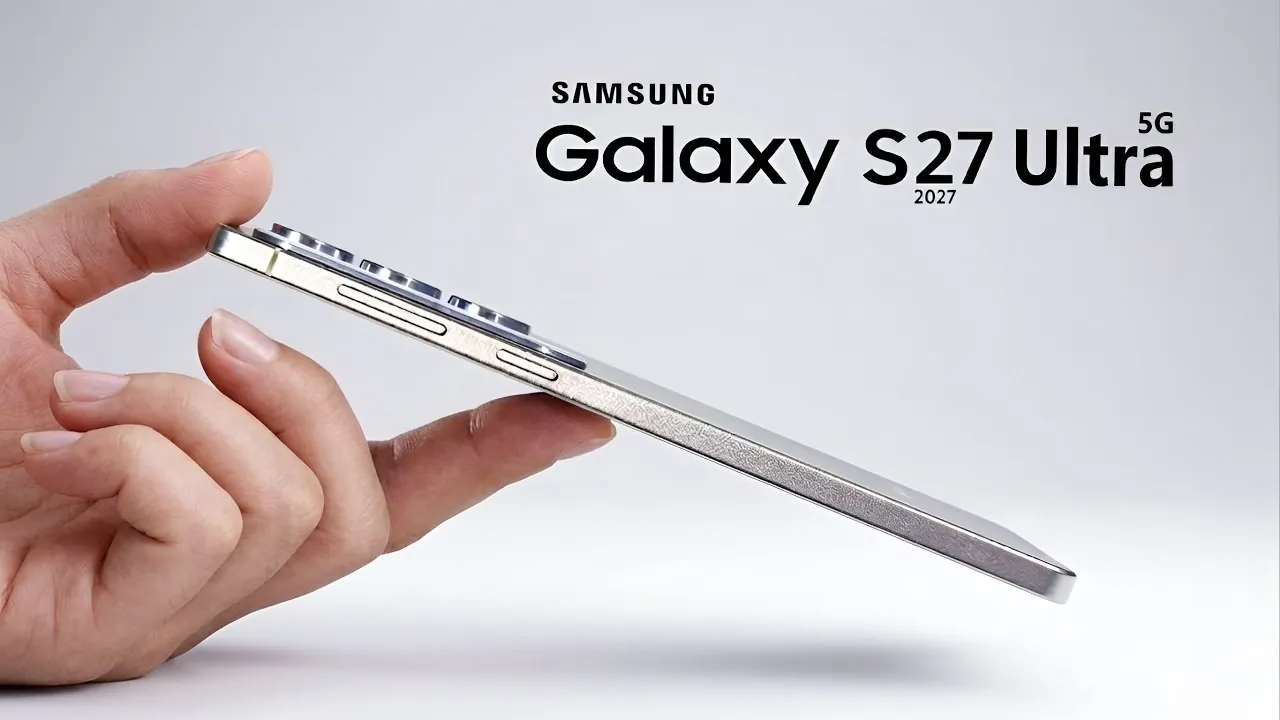
Samsung is rumored to be testing a new 20,000mAh battery for its highly anticipated Galaxy S27 Ultra. This ambitious development uses advanced silicon-carbon battery technology, a potentially fantastic option in the smartphone industry. By addressing the limitations of traditional lithium-ion batteries, Samsung aims to set a new standard in energy storage, offering consumers longer-lasting devices and reaffirming its position as a leader in the competitive smartphone market.

Why Current Smartphone Batteries Fall Short
Battery life remains a critical factor for smartphone users, yet progress in battery capacity has been slow and incremental. Over the years, Samsung’s Galaxy Ultra series, from the S20 Ultra to the S26 Ultra, has consistently featured 5,000mAh batteries. While this capacity has been sufficient for most users, it now feels average compared to competitors like Xiaomi and Realme, which have introduced devices with batteries exceeding 10,000mAh. These larger batteries cater to consumer demands for extended usage times, reducing the need for frequent recharging.
However, traditional lithium-ion batteries face inherent challenges:
- Size Constraints: Increasing battery capacity often requires larger physical sizes, which conflict with the sleek and slim designs favored in modern smartphones.
- Degradation Over Time: Lithium-ion batteries lose efficiency after a limited number of charge cycles, leading to reduced performance and shorter lifespans.
These limitations have driven the search for alternative battery technologies capable of delivering higher energy density, improved durability and better overall performance without compromising design.
Silicon-Carbon Batteries: A Promising Solution
Silicon-carbon battery technology offers a promising alternative to traditional lithium-ion batteries. By replacing graphite anodes with silicon-carbon composites, these batteries can store significantly more energy without increasing their physical size. This innovation allows manufacturers to create higher-capacity batteries while maintaining the slim and lightweight designs that consumers expect.
For users, the potential benefits of silicon-carbon batteries are substantial:
- Extended Battery Life: A 20,000mAh battery could power a smartphone for several days on a single charge, eliminating the need for daily recharging.
- Faster Charging: Silicon-carbon batteries support quicker charging times, reducing downtime and enhancing convenience.
- Improved Efficiency: Enhanced energy density ensures better performance for power-intensive tasks such as gaming, streaming and multitasking.
Despite these advantages, silicon-carbon batteries are not without challenges. They are more prone to expansion and degradation, which can compromise safety and longevity. Overcoming these issues requires advanced engineering and rigorous testing to ensure reliability and stability.
Samsung’s Development and Challenges
Samsung’s efforts to integrate silicon-carbon batteries into the Galaxy S27 Ultra represent a bold step forward but come with significant technical hurdles. Prototypes with capacities ranging from 12,000mAh to 20,000mAh are currently undergoing extensive testing. While these prototypes demonstrate impressive energy density, achieving durability and long-term reliability remains a critical challenge. Many prototypes have struggled to meet the industry standard of 1,500 charge cycles, a benchmark essential for making sure a battery’s usability over time.
To address these challenges, Samsung engineers are focusing on three key areas:
- Battery Stability: Refining the chemical composition to minimize expansion and degradation, making sure consistent performance over time.
- Layer Stacking Technology: Optimizing the internal structure of the battery to maximize energy density while maintaining safety and durability.
- Software Optimization: Developing intelligent battery management systems to enhance charge cycle efficiency and overall performance.
These efforts aim to deliver a battery that not only offers unprecedented capacity but also meets the high standards of safety, reliability and performance that consumers expect from premium devices.
What This Means for the Smartphone Market
If Samsung successfully commercializes a 20,000mAh battery, it could significantly disrupt the smartphone market. Currently, brands like Xiaomi and Realme have gained an edge by offering devices with larger batteries, but Samsung’s innovation could eliminate this advantage. Meanwhile, competitors such as Apple and Google have focused on optimizing energy efficiency rather than increasing battery size, leaving a gap that Samsung could exploit.
A breakthrough in battery technology could also shift consumer priorities. With extended battery life, users may place less emphasis on other hardware upgrades, such as camera improvements or faster processors. Instead, battery performance could become a defining feature in the premium smartphone market, reshaping how consumers evaluate and choose devices.
The Broader Impact
The introduction of a 20,000mAh battery in the Galaxy S27 Ultra could mark a turning point in smartphone innovation. For consumers, it promises a future where battery life is no longer a daily concern, allowing uninterrupted use of power-intensive applications like gaming, streaming and productivity tools. For Samsung, it represents an opportunity to reclaim leadership in battery technology and set a new industry standard.
While challenges remain, the potential rewards are immense. If Samsung can overcome the technical hurdles associated with silicon-carbon batteries, the Galaxy S27 Ultra could become a symbol of next-generation smartphone design. This breakthrough would not only redefine user expectations but also reshape the competitive landscape of the mobile technology industry, paving the way for a new era of innovation.
Find more information on Samsung Galaxy S27 Ultra by browsing our extensive range of articles, guides and tutorials.
Source & Image Credit: Demon’s Tech
Filed Under: Technology News
Disclosure: Some of our articles include affiliate links. If you buy something through one of these links, Geeky Gadgets may earn an affiliate commission. Learn about our Disclosure Policy.
Credit: Source link