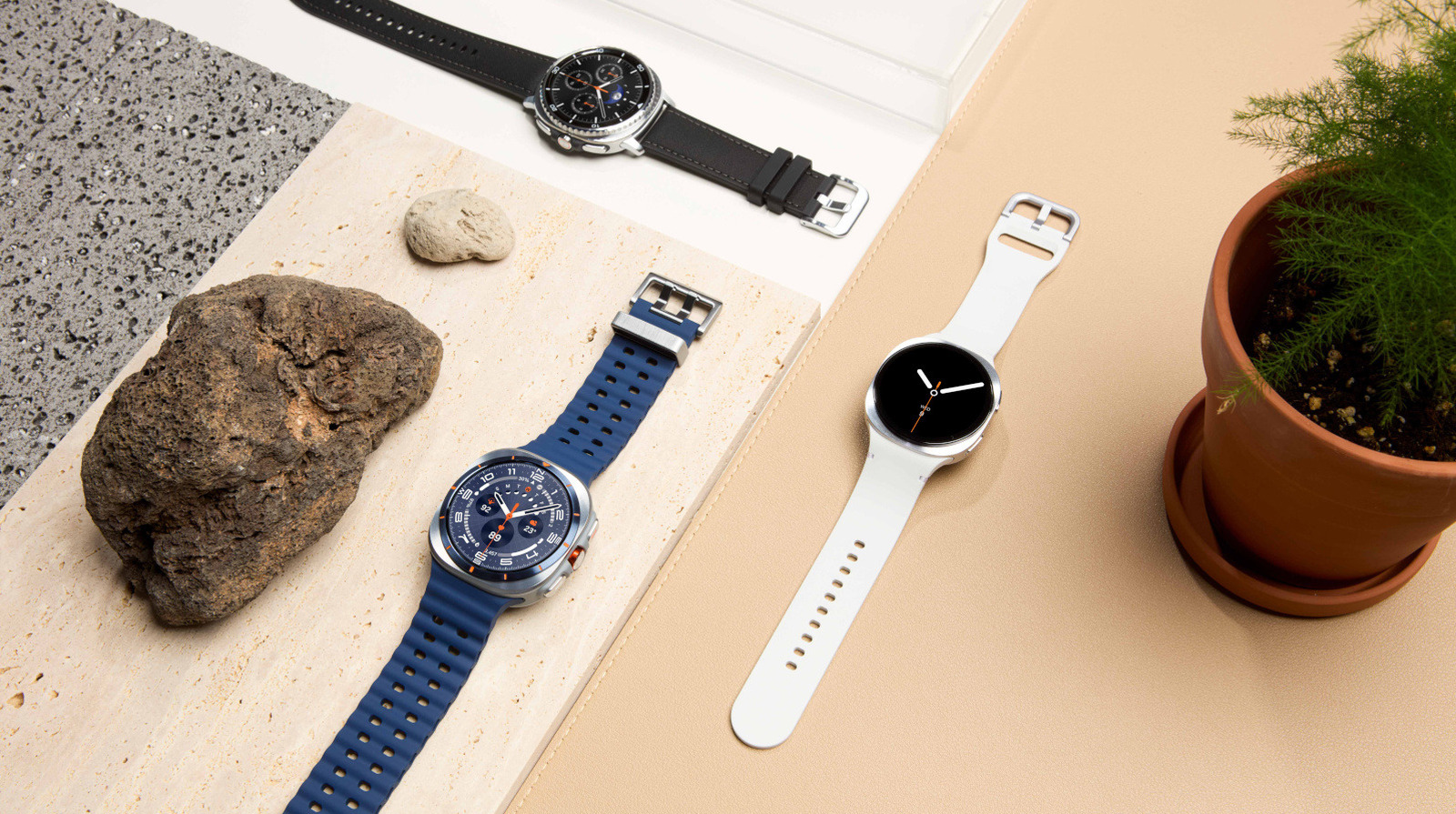
Samsung has teamed up with the Massachusetts General Hospital (MGH) Diabetes Research Center to investigate how wearables can help people on GLP-1 manage muscle loss. They’re specifically using Galaxy Watch 8, which the company released last year, for their study. Samsung says the study will focus on investigating the “feasibility of managing muscle loss for GLP-1 patients by utilizing biometric data including body composition, activity levels and heart rate provided by Galaxy Watch and Samsung Health.”
In its announcement, the company has referenced a KFF poll that says nearly one in five adults in the US has taken a GLP-1 drug at some point to manage Type 2 diabetes and to lose weight. With that many people using the medication, it’s no surprise that companies like Samsung would want to incorporate features that would serve them into their products.
At this point, scientists are still figuring out the long-term effects of using GLP-1. Mayo Clinic’s David N. Brennan, M.D. said one of doctors’ emerging concerns is the loss of muscle mass. Over 30 percent of weight loss on the medication can be from muscle, he wrote. And while it’s not that different from the muscle loss one experiences with other weight-loss methods, scientists are worried that patients aren’t always regaining that muscle when they regain weight after stopping treatment.
Researchers from the University of Virginia conducted a study into muscle loss from GLP-1 drugs and determined that it could undermine long-term health. “This is a serious concern. Muscle, especially axial muscle, is essential for posture, physical function and overall well-being,” they wrote. They explained that losing lean body mass increases the risk of cardiovascular diseases, which could lead to diminished quality of life.
Samsung’s study, which will be led by Dr. Melissa Putman from the MGH Diabetes Research Center, will divide 100 adults just starting GLP-1 treatment into two groups. One group will use Galaxy Watch 8 to monitor their body composition with its Bioelectrical Impedance Analysis (BIA), as well as to track their physical activity and to get personalized exercise guides to prevent the loss of muscles. The other group will be given the standard guidance most people taking GLP-1 get. Researchers will then use clinical-grade DXA scans to track the changes in the participants’ body composition. By comparing results between the two group, they can figure out if wearables like the Galaxy Watch 8 can effectively support people on the medication.
“Many GLP-1 patients struggle with muscle mass loss, a common side effect that can cause an increased risk of cardiovascular disease and a drop in basal metabolic rate, which can lead to future weight regain,” said Dr. Putman. “We’re interested in exploring how continuous data from a wearable device can provide invaluable insights into a patient’s activity levels, heart rate and body composition, giving clinicians a more holistic view of treatment impact and allowing for more timely, data-driven adjustments to their care plan.”
Samsung regularly collaborates with educational institutions to determine how its wearables can be used to monitor and predict health problems. It teamed up with Stanford University last year to improve its sleep apnea feature. More recently, it said it figured out how to predict fainting with “high accuracy” after working with the Chung-Ang University Gwangmyeong Hospital in Korea.
Credit: Source link