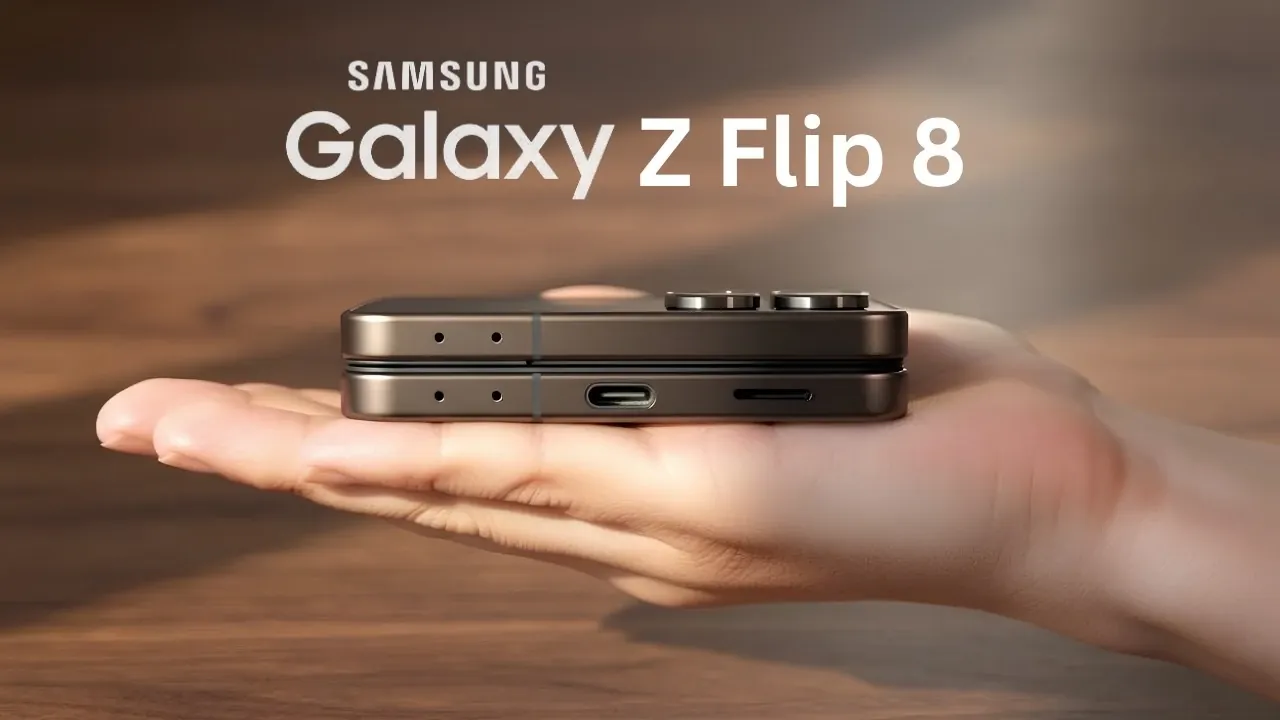
Samsung is poised to redefine the foldable smartphone market with the Galaxy Z Flip 8, introducing a distinctive approach to its processor allocation strategy. By adopting regional variations in chipsets, the company aims to strike a balance between innovation, cost efficiency and performance optimization. However, this decision raises important questions about consistency and user experience across global markets, making it a pivotal moment for Samsung’s foldable lineup.

Dual-Processor Strategy: A Strategic Shift
For the Galaxy Z Flip 8, Samsung is reportedly implementing a dual-processor strategy that mirrors its approach with the Galaxy S series. Depending on your region, the device will feature either Samsung’s proprietary Exynos 2600 chip or Qualcomm’s Snapdragon processor. This strategy allows Samsung to showcase its in-house advancements while using Qualcomm’s established reputation in key markets.
- Exynos 2600: Built on Samsung’s innovative 2-nanometer process, this chip promises significant improvements in energy efficiency, integrated features and overall performance.
- Snapdragon: Renowned for its robust capabilities, particularly in gaming and multitasking, Qualcomm’s processors are celebrated for their reliability and high performance.
This dual approach enables Samsung to cater to diverse market demands while optimizing production costs. However, it also introduces potential disparities in performance and user experience, which could influence consumer perceptions of the device.
Balancing Innovation with Cost Efficiency
The Exynos 2600 chip represents a major advancement in semiconductor technology, thanks to its 2-nanometer architecture, which enhances both performance and energy efficiency. However, the production of such advanced chips comes with substantial costs. To manage these expenses while maintaining competitive pricing, Samsung has opted for a regional deployment strategy that integrates Snapdragon processors in select markets.
This approach ensures that the Galaxy Z Flip 8 remains accessible to a wide audience without compromising on innovative features. By balancing innovation with affordability, Samsung aims to solidify its position in the foldable smartphone market. However, this strategy also underscores the challenges of scaling advanced technology globally without inflating retail prices.
Regional Distribution: Tailoring to Market Preferences
Samsung’s regional distribution strategy for the Galaxy Z Flip 8 reflects a calculated effort to align with market preferences and logistical considerations. The allocation of processors is expected to follow a predictable pattern based on historical trends and consumer demand:
- Snapdragon Models: Likely to be available in the U.S., Canada, China and Japan, where Qualcomm’s processors are highly regarded for their performance and reliability.
- Exynos Models: Expected to be distributed in regions such as India, Europe and South Korea, where Samsung’s proprietary chips have traditionally been more prevalent.
This segmentation allows Samsung to optimize production efficiency while catering to regional demands. However, it also means that the user experience with the Galaxy Z Flip 8 may vary depending on the processor available in your region, potentially sparking debates about fairness and consistency.
Performance Variations and User Experience
The use of different processors across regions introduces the possibility of noticeable differences in performance, energy efficiency and overall user experience. Snapdragon processors are celebrated for their high performance in demanding tasks, such as gaming and multitasking, while Exynos chips often focus on energy efficiency and feature integration.
For consumers, this variability could be both an advantage and a drawback. On one hand, it allows Samsung to tailor devices to regional preferences and market expectations. On the other hand, it may lead to concerns about uniformity in flagship devices, particularly among users who expect consistent performance across all regions.
Beyond Processors: Display and Camera Innovations
While the processor strategy is a central focus, the Galaxy Z Flip 8 is also expected to deliver significant advancements in other key areas, making sure it remains competitive in the rapidly evolving foldable smartphone market.
- Foldable Display: Enhanced durability and smoother folding mechanisms are anticipated, addressing long-standing concerns about the longevity and reliability of foldable devices.
- Camera Enhancements: Upgrades in low-light performance, image stabilization and zoom capabilities are likely, aiming to elevate the device’s photography experience to new heights.
These improvements highlight Samsung’s commitment to innovation beyond just processing power, making sure that the Galaxy Z Flip 8 offers a well-rounded experience that appeals to a broad spectrum of users.
Rumored Galaxy Z Flip 8 Specifications
| Component / Feature | Rumored Specification Details |
| Main Display | 6.9-inch Dynamic AMOLED 2X, FHD+ (2520 x 1080), LTPO 1–120Hz, ~2,600 nits peak brightness |
| Cover Display | 4.1-inch Super AMOLED FlexWindow (948 x 1048), 120Hz refresh rate |
| Processor | Samsung Exynos 2600 (2nm node) / Snapdragon 8 Elite Gen 5 (select regions) |
| RAM | 12GB LPDDR5X (standard configuration to support heavy local Galaxy AI tasks) |
| Storage Options | 256GB / 512GB (UFS 4.0, non-expandable) |
| Rear Cameras | Dual Array: 50MP Main ($f/1.8$, OIS) + 12MP Ultrawide ($f/2.2$) |
| Front Camera | 10MP Selfie ($f/2.2$) |
| Battery Capacity | 4,300 mAh (dual-cell design) |
| Charging Speeds | 25W Wired, 15W Wireless, 4.5W Reverse Wireless |
| Dimensions (Unfolded) | ~166.8 x 75.4 x 6.6 mm |
| Dimensions (Folded) | ~85.4 x 75.4 x 13.2 mm (Note: rumored to be 0.5mm thinner folded than its predecessor due to an updated hinge setup) |
| Weight | ~180 grams (down from 188 grams) |
| Durability / Protection | IP48 water and dust resistance rating |
| Software | Android 17 with One UI 9 out of the box (7 years of guaranteed OS and security patches) |
A Complex Yet Promising Offering
The Samsung Galaxy Z Flip 8 represents a bold step forward in foldable smartphone technology, blending innovative advancements with a nuanced regional strategy. By combining the innovation of the Exynos 2600 with the proven reliability of Snapdragon processors, Samsung seeks to optimize both performance and cost-effectiveness.
However, this approach introduces a layer of complexity, as user experiences may vary depending on the processor available in your region. As you consider the Galaxy Z Flip 8, it is essential to weigh these regional differences alongside its broader advancements in display durability and camera technology. This device is not only a testament to Samsung’s engineering prowess but also a reflection of the challenges and opportunities in the foldable smartphone market.
Learn more about Galaxy Z Flip 8 with other articles and guides we have written below.
Source & Image Credit: Talks Daily Tech
Filed Under: Android News, Mobile Phone News, Top News
Disclosure: Some of our articles include affiliate links. If you buy something through one of these links, Geeky Gadgets may earn an affiliate commission. Learn about our Disclosure Policy.
Credit: Source link