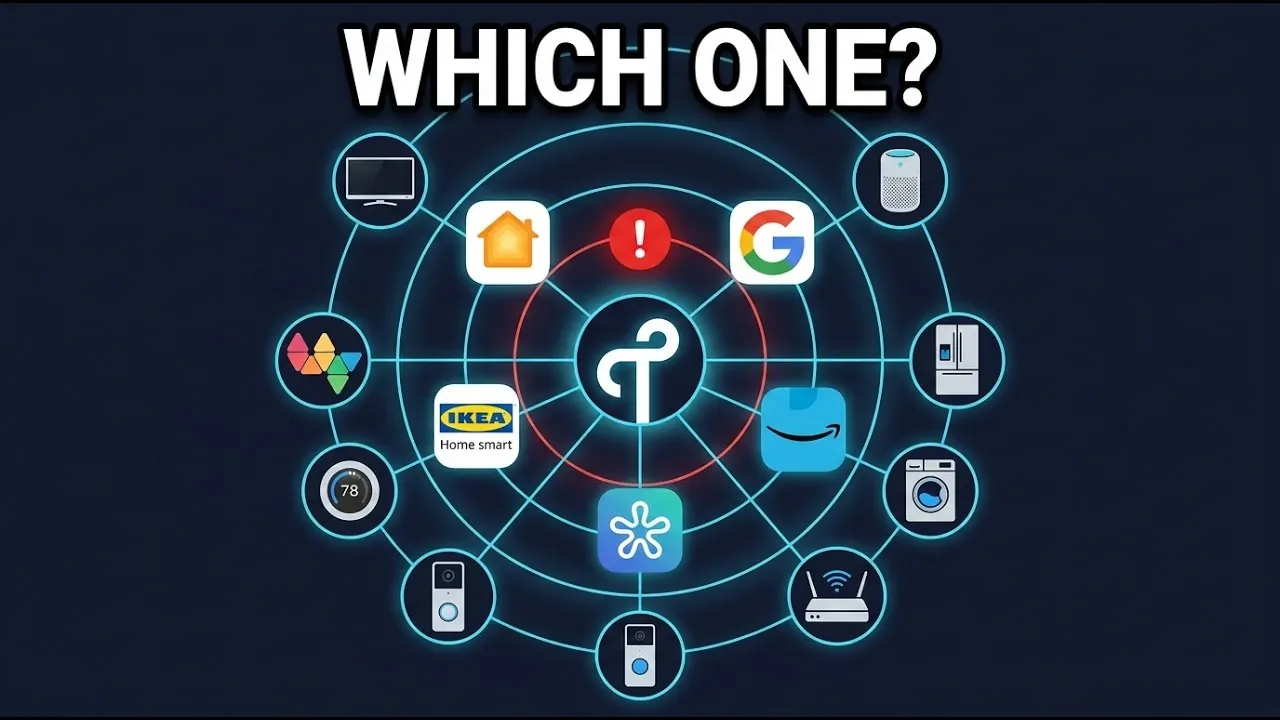
Thread border routers play a crucial role in connecting low-power Thread networks to your home’s IP network, such as Wi-Fi or Ethernet, making sure smooth communication across your smart home devices. These routers are often integrated into everyday devices like the Apple HomePod, Google Nest Hub and Samsung TVs, reducing the need for standalone hubs. In this how-to guide, A Smarter House explains the importance of understanding the compatibility and setup of these devices to avoid network conflicts and optimize your smart home’s performance.
Explore how to identify devices in your home that already function as Thread border routers and learn strategies to minimize network interference. You’ll also gain insight into the benefits of choosing Matter-compatible devices for enhanced flexibility and future-proofing. Whether you’re starting from scratch or refining an existing setup, this guide offers practical steps to help you create a more cohesive and reliable smart home ecosystem.
What Are Thread Border Routers?
TL;DR Key Takeaways :
- Thread border routers are essential for connecting low-power Thread networks to home IP networks like Wi-Fi or Ethernet, making sure seamless communication in smart home ecosystems.
- Many modern devices, such as TVs, speakers and smart hubs, now include built-in Thread border routers, reducing the need for additional hardware and simplifying smart home setups.
- The Thread 1.4 standard, released in 2024, improves device compatibility across ecosystems by allowing credential sharing, reducing fragmentation and enhancing integration between brands like Apple, Google and Amazon.
- Proper setup of Thread border routers, including checking for existing devices, minimizing network conflicts and choosing Matter-compatible products, is crucial for optimizing smart home performance and avoiding connectivity issues.
- Privacy considerations are key when selecting devices, as some prioritize local data processing for enhanced security, while others rely on cloud-based routing, which may raise privacy concerns.
Thread border routers serve as gateways that connect Thread mesh networks to your home’s IP network. They enable Thread devices to communicate with apps, voice assistants and other smart systems. Unlike Matter controllers, which focus on device commissioning and automation, Thread border routers specialize in connectivity. This distinction is critical for maintaining a smooth and efficient smart home experience.
By facilitating communication between devices, Thread border routers ensure that your smart home operates as a unified system. They also play a key role in reducing latency and improving reliability, making them a cornerstone of modern connected homes.
Devices with Built-in Thread Border Routers
Many modern devices now come equipped with built-in Thread radios, eliminating the need for standalone hubs. These devices generally fall into two categories:
- Multi-purpose Devices: Common household electronics like TVs, speakers, streaming devices, mesh routers and smart appliances often double as Thread border routers. Examples include Samsung TVs, Apple HomePod, Google Nest Hub and Amazon Echo devices. These devices combine functionality with connectivity, making them a practical choice for many households.
- Dedicated Smart Home Hubs: These hubs are designed specifically for managing smart home ecosystems and often support multiple protocols, such as Zigbee and Z-Wave, in addition to Thread. Examples include the SmartThings Hub V3, Aqara Hub M3, Homey Pro and IKEA Dirigera. These hubs are ideal for users who want centralized control over a wide range of devices.
The integration of Thread border routers into everyday devices simplifies the process of building a smart home. It reduces the need for additional hardware while making sure robust connectivity across your ecosystem.

Below are more guides on router from our extensive range of articles.
The Thread 1.4 Standard: A Major Advancement
Released in 2024, the Thread 1.4 standard addresses one of the biggest challenges in smart homes: fragmentation. It introduces credential sharing across ecosystems, significantly reducing conflicts between devices from different brands like Apple, Google and Amazon. This advancement allows devices to work together more seamlessly, regardless of their manufacturer.
Devices certified for Thread 1.4, such as the SmartThings Hub V3, IKEA Dirigera and eero 7, offer improved compatibility and smoother integration. This makes it easier to manage a diverse smart home setup, making sure that all your devices can communicate effectively. By adopting Thread 1.4-certified devices, you can future-proof your smart home and enjoy a more cohesive experience.
How to Set Up Your Thread Border Router
A well-planned setup is essential for optimizing your smart home. Follow these steps to get started:
- Check for Existing Thread Border Routers: Many of your current devices may already include this functionality. Verify their capabilities before investing in additional hardware to avoid unnecessary expenses.
- Minimize Network Conflicts: Overlapping Thread networks can cause interference and reduce efficiency. Prioritize one ecosystem or use devices certified for Thread 1.4 to ensure smooth operation.
- Choose Matter-Compatible Devices: For maximum flexibility and future-proofing, select devices that support both Thread and the Matter protocol. This ensures compatibility with a wide range of products and ecosystems.
Proper setup not only enhances the performance of your smart home but also minimizes potential issues, such as connectivity problems or device conflicts. Taking the time to plan your setup can save you significant effort in the long run.
Privacy and Data Handling
When selecting devices for your smart home, it’s important to consider how they handle your data. Some ecosystems prioritize local processing, making sure that data stays within your home and is not sent to external servers. This approach enhances privacy and reduces the risk of data breaches.
On the other hand, some devices rely on cloud-based routing, which involves sending data to external servers for processing. While this can offer certain advantages, such as remote access and advanced features, it may also raise privacy concerns. Understanding these differences can help you make informed decisions about the devices you choose and the ecosystems you adopt.
What’s Next? Thread 1.5 and Beyond
The Thread 1.5 standard is currently under development and promises to bring further advancements in smart home connectivity. Expected improvements include enhanced interoperability, greater efficiency and support for more complex use cases. As more products become Thread-certified, the smart home landscape will continue to evolve, offering new opportunities for innovation and integration.
By staying informed about emerging standards like Thread 1.5, you can ensure that your smart home remains at the cutting edge of technology. This forward-looking approach will help you adapt to future advancements and make the most of your connected devices.
Building a Seamless Smart Home
Thread border routers are a cornerstone of modern smart homes, allowing seamless communication and efficient operation. By understanding their role, using devices with built-in Thread radios and staying informed about evolving standards like Thread 1.4 and 1.5, you can create a connected home that meets your needs today and adapts to future advancements. With careful planning and the right setup, you’ll unlock the full potential of your smart home ecosystem, making sure a seamless and efficient experience for years to come.
Media Credit: A Smarter House
Filed Under: Guides, Top News
Disclosure: Some of our articles include affiliate links. If you buy something through one of these links, Geeky Gadgets may earn an affiliate commission. Learn about our Disclosure Policy.
Credit: Source link