Walking through Intersolar 2026, I saw no shortage of companies talking about bigger batteries, higher efficiencies, and smarter software. What they rarely answer is a much simpler question: What happens after installation?
For most homeowners, the real question isn’t how much electricity a system can generate. It’s whether they can depend on it. During installation, efficiency is key, so an elegant, modular design makes a 2-minute setup possible. But years later, when a family grows, a new electric vehicle arrives in the garage, or an unexpected outage occurs, these sophisticated systems are put to the test.
The more time I spent at Sungrow’s exhibition, the more that question seemed to shape everything on display. Across residential solutions, utility-scale technologies, and customer stories, the company kept returning to a single idea: reliability, more specifically, what makes reliability last.
As I moved through different parts of the exhibition, the answer gradually became clearer. It wasn’t found in a single specification or product launch, but in the way Sungrow approached different stages of the energy journey.
Bringing Certainty Home
The residential products were probably the easiest place to see Sungrow’s reliability philosophy in action.
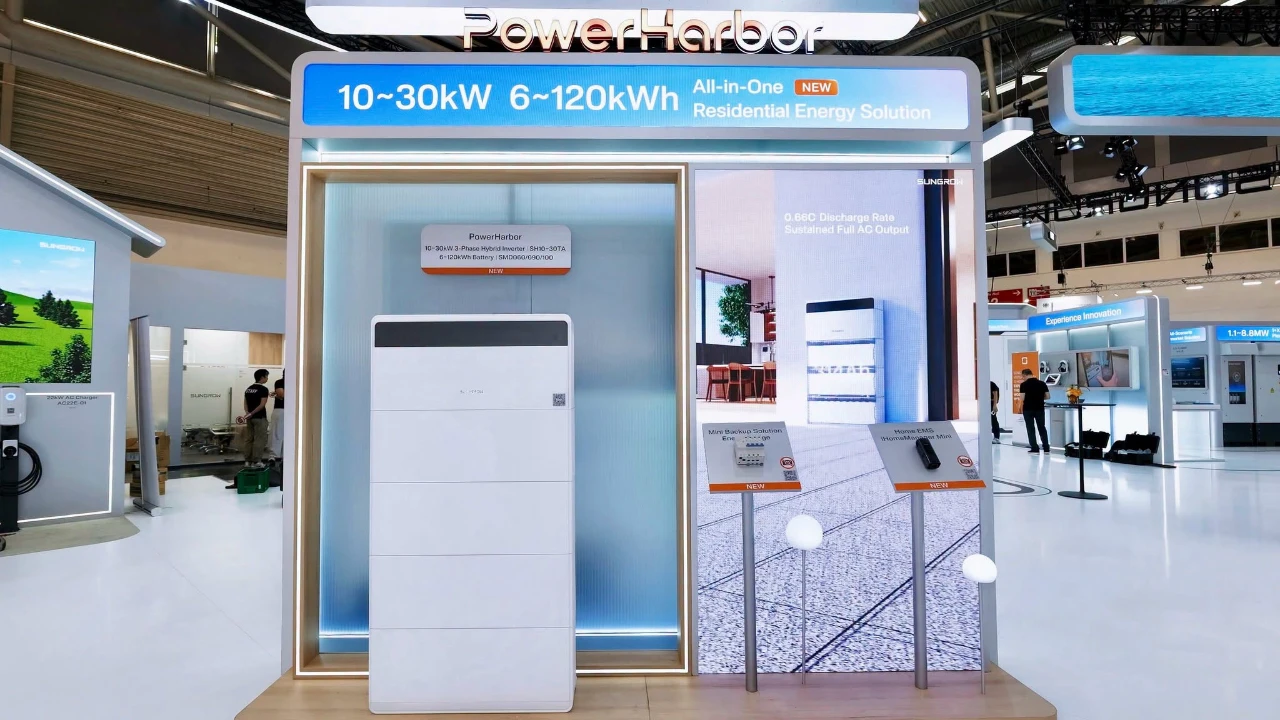
Sungrow offered a first look at PowerHarbor, an upcoming all-in-one residential storage solution scheduled for a broader launch later this year. Details remain limited for now, but it was easily one of the products I’m most curious to see more of in the months ahead.
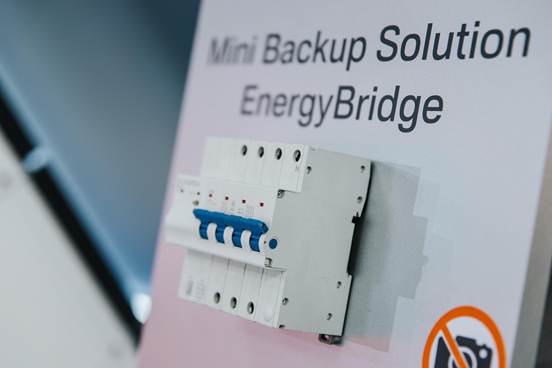
Another product that immediately caught my attention was the Mini Backup Solution Energy Bridge. Compared to most backup power equipment I’ve seen, it was surprisingly compact. In fact, it’s small enough to fit directly inside a home’s distribution board, which means most homeowners will probably never see it again once it’s installed.
Traditional backup power systems often require multiple components working together behind the scenes. Energy Bridge combines those functions into a single unit, reducing the amount of wiring, equipment, and installation work needed to get a backup system up and running. During a power outage, it can automatically switch the home to backup power, helping keep essentials such as lights, refrigerators, and Wi-Fi running without interruption.
The same focus on simplicity appeared elsewhere in Sungrow’s residential lineup. The iHomeManager Mini brings solar generation, storage, and household energy usage into a single platform, making it easier to monitor and manage energy throughout the day.
Reliability. From Commercial Use to Larger-scale Plants.
Moving beyond the home energy solutions, I started seeing the same emphasis on long-term reliability reflected in Sungrow’s commercial and utility-scale technologies.
One example was the newly launched SG125CX-P3. The 40A PV input current (maximum) and specially designed cooling system allow it to be both compatible and stable in high-temperature environments.
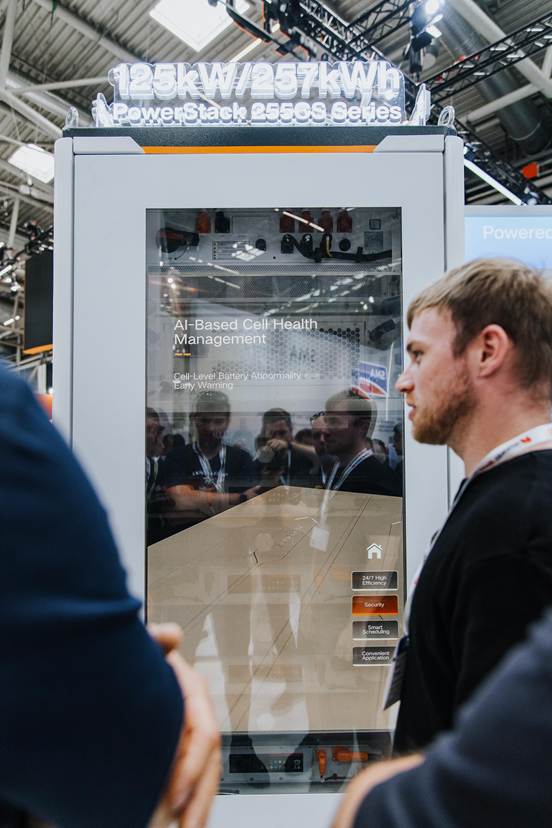
The liquid-cooled PowerStack series, with AI-powered cell management, offers predictive protection against overcurrent issues. Their grid-forming capability is also impressive for addressing diverse C&I energy needs.
A similar theme appeared in the SG510HX inverter, which recently completed extreme safety testing at an altitude of 4,200 meters. That’s not the kind of environment most solar projects will ever face, but that was precisely the point. High altitude brings thinner air, stronger UV exposure, and harsher operating conditions that place additional stress on electrical equipment.
Their mature PowerTitan3.0 performs well under ideal conditions. Testing them where conditions are far less forgiving offers a different perspective on reliability.
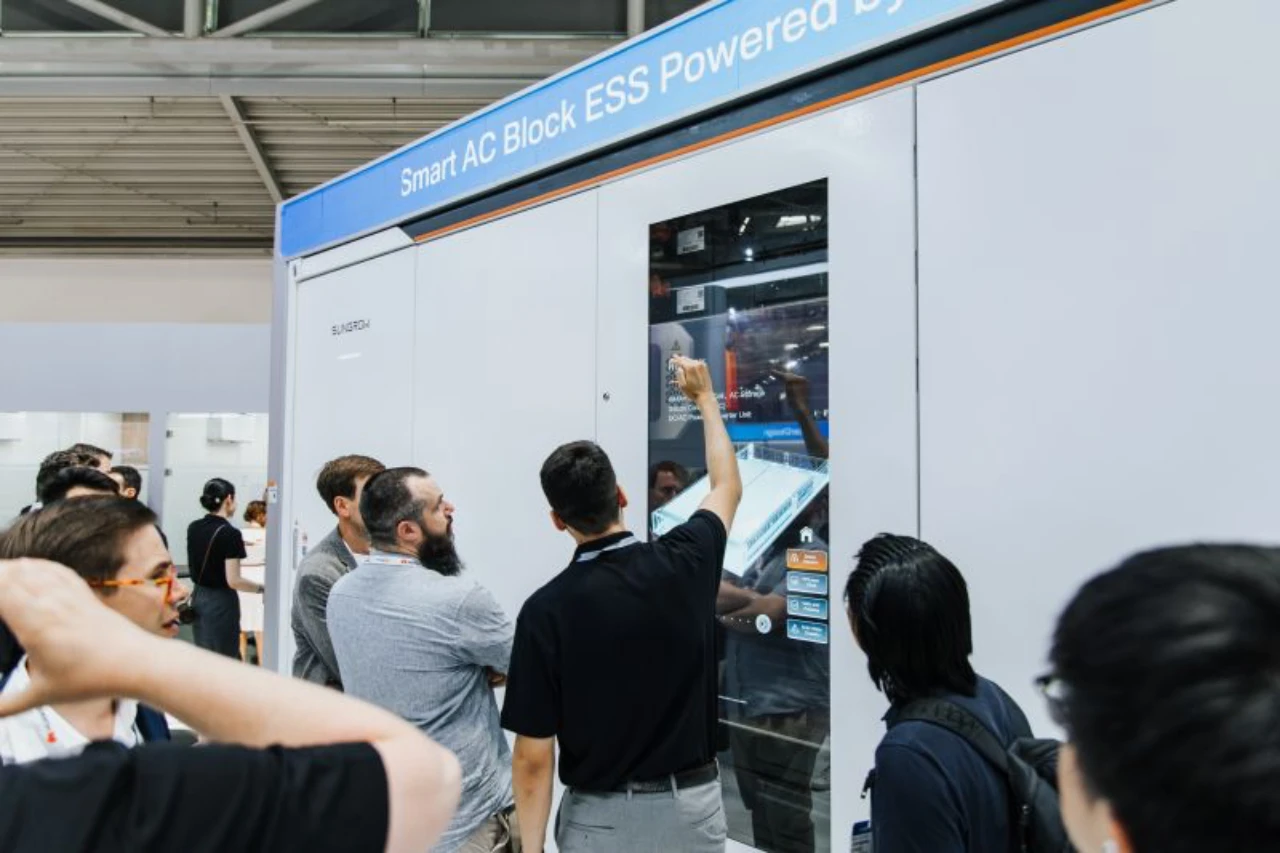
In C&I or large-scale projects, generating clean energy is only part of the equation. Keeping systems running efficiently over years of operation is equally important. Every unexpected shutdown, maintenance visit, or component replacement represents lost productivity and additional resource consumption. From that perspective, long-term reliability becomes a sustainability issue as much as an engineering one.
Building Bridges Beyond Technology
What surprised me most wasn’t a specific product or technology. It was the amount of attention Sungrow devoted to the idea of connection.
At the center of the exhibition was the Bridge Story Lounge, a space that felt very different from a traditional product showcase. Instead of focusing on specifications and performance metrics, it explored how energy technologies connect with people’s lives, communities, and long-term sustainability goals.
One story shared at the exhibition described a family installing solar for the first time. Another focused on local service teams supporting customers years after a project was completed. Neither story was really about equipment. Both were about trust.
The more I listened, the more I realized Sungrow was using the word “Bridge” in a much broader sense. Rather than describing a single technology, it reflected the company’s effort to connect innovation with real-world needs, strengthen the link between global knowledge and local communities, and help make the transition to sustainable energy more practical and accessible.
Solutions such as PowerMatrix™️ reflect that same philosophy at a larger scale. Rather than focusing on individual devices, the platform is designed to help solar generation, storage, and energy management work together as part of a unified system. As energy needs continue to evolve, that kind of integration may prove just as important as the performance of any single piece of hardware.
What Makes Reliability Last?
By the end of the exhibition, I found myself looking at the word “Bridge” differently.
A family relying on backup power during an outage, a business owner planning for years of uninterrupted operation, and a community working toward a more sustainable future may seem like very different stories. Yet they are all connected by the same need for certainty.
In many ways, that was the idea behind Sungrow’s “Bridge” concept. Not simply connecting technologies, but connecting people with the confidence to adopt, rely on, and grow with clean energy over time.
As the energy transition continues, that kind of connection may prove just as important as the technologies themselves.
Filed Under: Technology News
Disclosure: Some of our articles include affiliate links. If you buy something through one of these links, Geeky Gadgets may earn an affiliate commission. Learn about our Disclosure Policy.
Credit: Source link