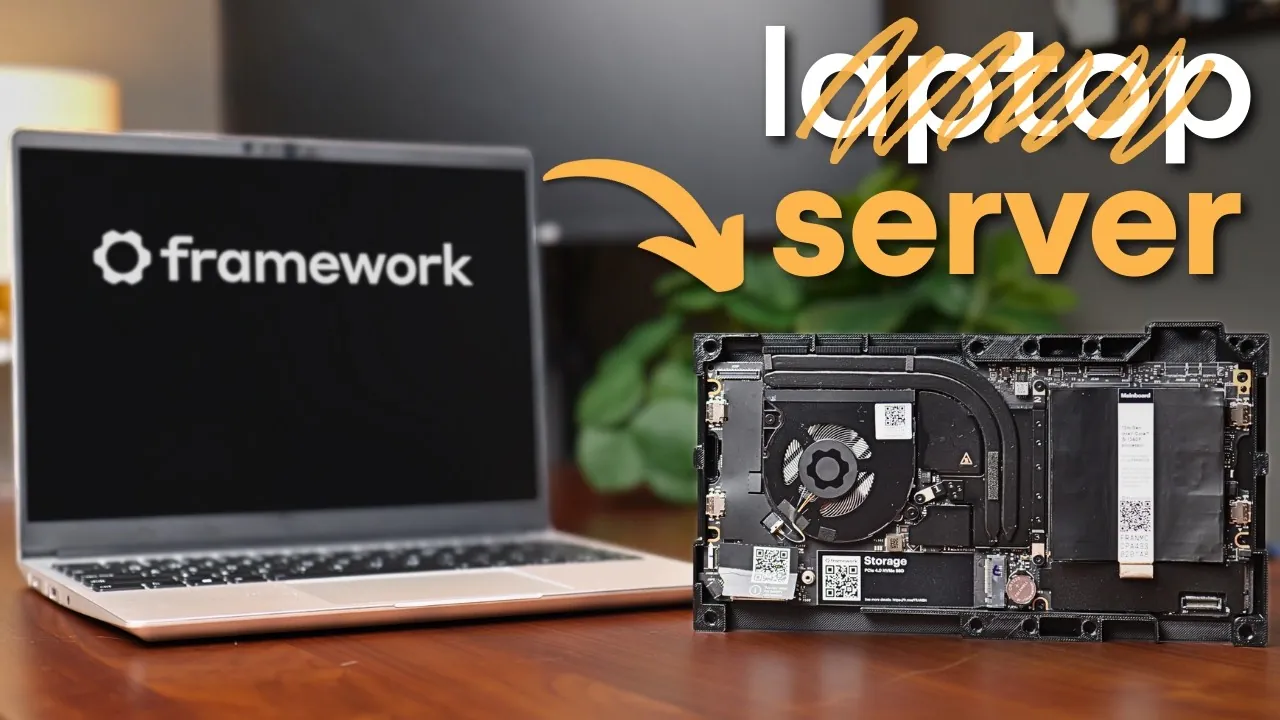
What if the next time you upgraded your laptop, the old motherboard didn’t end up gathering dust in a drawer or, worse, contributing to the growing mountain of electronic waste? Imagine transforming it into a compact home server, a sleek media PC, or even a custom gaming handheld. The Framework Laptop, with its new modular design, offers this exact possibility. By allowing users to repurpose core components like the motherboard, Framework challenges the throwaway culture of modern technology and invites us to rethink how we interact with our devices. This isn’t just about sustainability, it’s about unlocking a world of creative potential hidden in what many might consider obsolete hardware.
In this guide, Hardware Haven explore the practical and innovative ways to breathe new life into a Framework laptop motherboard. From setting up a home automation hub to building a portable entertainment system, the possibilities are as diverse as they are exciting. We’ll also delve into the technical considerations, such as power delivery and connectivity, to ensure your repurposing project runs smoothly. Whether you’re a tech enthusiast eager to tinker or someone looking for a sustainable approach to computing, this report will inspire you to see old hardware not as waste, but as a gateway to innovation. After all, isn’t it time our technology worked as hard for the planet as it does for us?
Framework Laptop: Modular Sustainability
TL;DR Key Takeaways :
- The Framework Laptop features a modular and repairable design, allowing users to upgrade and replace individual components, promoting sustainability and reducing electronic waste.
- Users can repurpose old components, such as the motherboard, for creative projects like home servers, media PCs, or gaming handhelds, supported by open source documentation and community collaboration.
- Upgrades, such as AMD Ryzen mainboards or 2.8K matte displays with 120 Hz refresh rates, enhance performance and extend the device’s lifespan, making it competitive with newer laptops.
- Challenges include USB-based I/O limitations, power delivery constraints, display alignment issues, and the cost of upgrades, which require careful planning to maximize benefits.
- Framework’s commitment to sustainability encourages environmentally conscious computing, fostering innovation and reducing waste by extending the lifecycle of devices and components.
Framework Laptop Philosophy
Framework laptops are built on a philosophy of modularity and repairability, setting them apart from traditional laptops that often prioritize sleek designs over functionality. Unlike many devices that are difficult to upgrade or repair, Framework laptops allow you to replace individual components with ease. For example, if your laptop’s motherboard becomes outdated or fails, you can simply swap it out for a newer model without discarding the entire device. This design enables users to maintain and improve their laptops over time, avoiding the wasteful cycle of replacing entire systems.
By making components reusable and repairable, Framework promotes a sustainable approach to technology. This philosophy aligns with the growing global demand for environmentally responsible products, reducing the environmental impact of electronic waste while offering users greater control over their devices. The result is a laptop that evolves with your needs, rather than becoming obsolete after a few years.
Upgrading Your Framework Laptop
Upgrading a Framework laptop is a straightforward and user-friendly process, thanks to its modular design. For instance, you might choose to replace the motherboard with a newer model, such as an AMD Ryzen mainboard, to enhance performance and battery life. Alternatively, you could upgrade the display to a 2.8K matte screen with a 120 Hz refresh rate, providing smoother visuals and reduced glare for an improved user experience. These upgrades not only enhance the functionality of your laptop but also ensure it remains competitive with newer devices.
While the cost of upgrades can range up to $750, the ability to reuse existing components offsets the expense. For example, the old motherboard can be repurposed for other projects, providing long-term value and flexibility. This modular approach allows you to customize your laptop to meet your specific needs, whether you’re a gamer, a professional, or a casual user.
Repurposing a Framework Laptop Motherboard

Gain further expertise in Framework laptop by checking out these recommendations.
Repurposing the Old Motherboard
One of the most innovative aspects of the Framework laptop is the ability to repurpose its motherboard for standalone use. This feature opens up a wide range of possibilities for creating new devices or enhancing your current tech setup. Here are a few practical applications for your old motherboard:
- Home Server: Transform the motherboard into a server for hosting services like file storage, media streaming, or smart home management.
- Media PC: Repurpose it as a compact entertainment hub for streaming movies, music, and other digital content.
- Gaming Handheld: Build a portable gaming device by integrating the motherboard with 3D-printed cases and additional hardware.
Framework supports these projects by providing open source documentation and fostering a community of users who share ideas and designs. This collaborative ecosystem makes it easier for you to bring your creative visions to life, whether you’re building a custom device or enhancing your home technology.
Technical Details of Repurposing
Repurposing the motherboard requires some technical knowledge, but the possibilities are vast. For example, you could install Proxmox, a virtualization platform, to run multiple services simultaneously. Some popular applications include:
- Jellyfin: A media streaming server for organizing and accessing your movies, music, and TV shows.
- Home Assistant: A platform for managing and automating smart home devices.
To expand the motherboard’s functionality, you can add hardware such as SATA adapters for additional storage or 5 Gbps networking modules for faster connectivity. However, it’s important to consider potential challenges, such as USB-based I/O limitations and power delivery compatibility. Careful planning and research can help you overcome these obstacles, making sure that your repurposed motherboard performs optimally in its new role.
Challenges and Considerations
While the Framework laptop’s modular design offers numerous advantages, there are some limitations to keep in mind. These include:
- USB Connectivity: Certain use cases may be restricted by the reliance on USB-based I/O, which can limit the motherboard’s versatility in high-performance setups.
- Power Delivery: USB power delivery might not meet the demands of more intensive applications, requiring additional hardware or adjustments.
- Display Alignment: Upgraded displays with rounded corners may not align perfectly with the laptop’s frame, resulting in minor aesthetic inconsistencies.
- Cost: The price of upgrades and components can sometimes exceed the cost of a new laptop with similar specifications, making it essential to weigh the financial investment against the benefits of modularity.
These considerations highlight the importance of thoughtful planning when upgrading or repurposing your Framework laptop. By addressing these challenges, you can maximize the benefits of the modular design while minimizing potential drawbacks.
Sustainability and Environmental Impact
Framework’s commitment to sustainability is evident in every aspect of its design. By allowing you to upgrade and repurpose components, the company helps reduce the volume of electronic waste generated by outdated devices. This approach aligns with the growing demand for environmentally conscious computing, allowing you to contribute to a more sustainable future while enjoying the flexibility and performance of a modular system.
In addition to reducing waste, the Framework laptop encourages a shift in consumer behavior. Instead of discarding old devices, users are empowered to find creative and practical ways to extend their lifespan. This not only benefits the environment but also fosters a culture of innovation and resourcefulness.
The Future of Modular Computing
The Framework laptop exemplifies the potential of modular design to transform personal computing. By upgrading your device and repurposing its components, you can extend its lifespan, reduce waste, and explore creative new applications. Whether you’re a tech enthusiast, a sustainability advocate, or someone seeking a versatile computing solution, the Framework ecosystem offers a balanced approach that combines innovation with environmental responsibility. As the demand for sustainable technology continues to grow, Framework’s philosophy of modularity and repairability may serve as a model for the future of computing.
Media Credit: Hardware Haven
Filed Under: DIY Projects, Guides, Hardware
Latest Geeky Gadgets Deals
Disclosure: Some of our articles include affiliate links. If you buy something through one of these links, Geeky Gadgets may earn an affiliate commission. Learn about our Disclosure Policy.
Credit: Source link