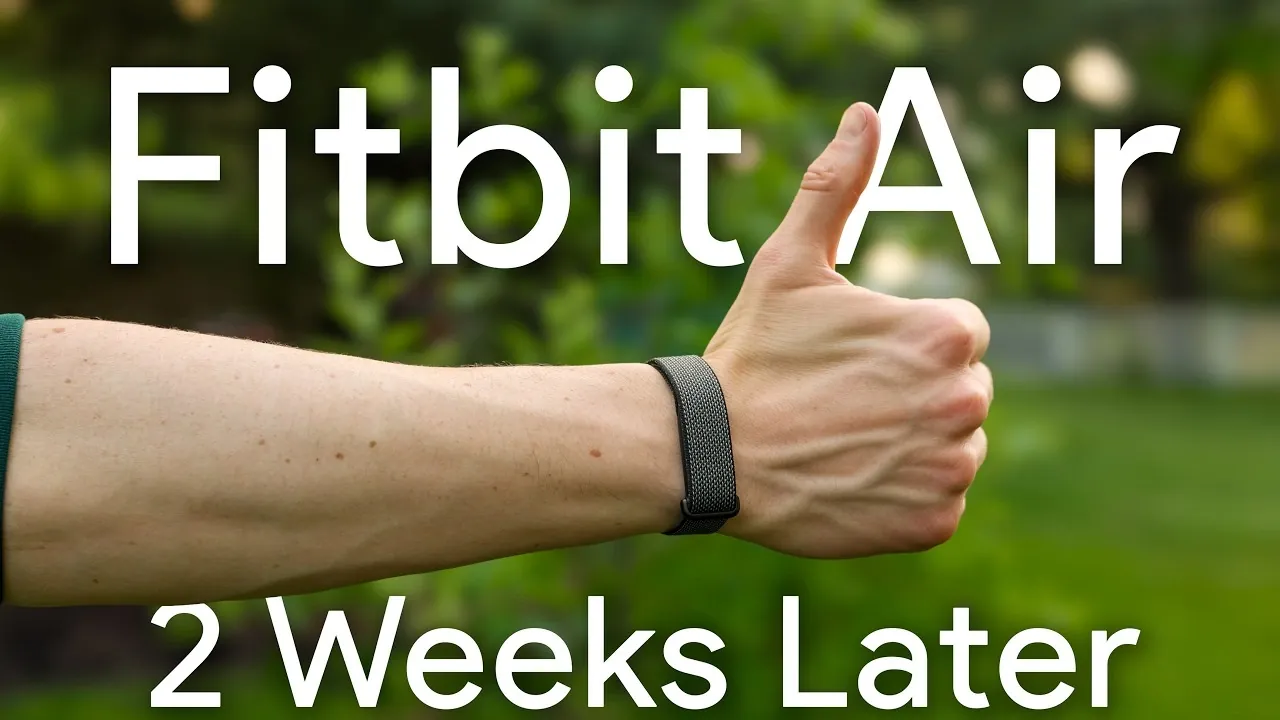
The Fitbit Air, reviewed by Mike O’Brien, stands out as a minimalist fitness tracker designed for users who prioritize comfort and essential health tracking. With its display-free design, the device relies on LED indicators and haptic feedback to deliver key insights, such as heart rate, steps and sleep metrics. Over two weeks of testing, it demonstrated reliable performance in these core areas, offering a lightweight and discreet option for everyday wear. However, its limited adaptability, such as the inability to track floors climbed or adjust easily to time zone changes, may not meet the needs of those seeking more advanced tracking capabilities.
Explore how the Fitbit Air balances simplicity with functionality through its customizable bands, extended battery life and accurate heart rate monitoring. Gain insight into its sleep tracking features, including strengths like detailed sleep metrics and limitations such as inconsistent nap detection. Additionally, discover how the Fitbit app complements the device with data visualization and integration options, while also presenting challenges like a cluttered interface. This analysis will help you determine whether the Fitbit Air aligns with your health and fitness priorities.
Design & Comfort
TL;DR Key Takeaways :
- The Fitbit Air is a minimalist, lightweight and display-free fitness tracker designed for comfort and essential health tracking, making it ideal for users seeking simplicity and subtlety.
- Key features include accurate heart rate, step and sleep tracking, though it lacks advanced capabilities like nap detection, time zone adaptability and floors climbed tracking.
- The device features a 7-day battery life, but its compact charger design can be easily misplaced, posing a minor inconvenience for users.
- The Fitbit app enhances the experience with data visualization and integration with other health platforms, though its cluttered interface and limited customization options may frustrate some users.
- An optional $99/year subscription unlocks AI-driven insights for deeper health analysis, but its value depends on individual preferences for interpreting health metrics independently or with guidance.
The Fitbit Air’s design emphasizes comfort and simplicity, making it suitable for all-day wear. Its compact, puck-like tracker pairs seamlessly with interchangeable bands, including options like the Performance Loop, Elevated Modern and Active Band. These customizable bands allow users to adapt the device’s look and feel to match their preferences, whether for workouts, casual wear, or formal settings. Designed for 24/7 use, the Fitbit Air is lightweight and comfortable enough for activities ranging from intense exercise to sleep and even showers.
The absence of a display sets the Fitbit Air apart from many other fitness trackers. Instead of a screen, it uses LED indicators and haptic feedback to communicate information. This minimalist approach appeals to users who prefer discreet tracking without the distractions of a screen. However, it may not satisfy those who rely on real-time data at a glance, such as during workouts or while monitoring progress throughout the day.
Battery Life
Battery life is one of the standout features of the Fitbit Air. Rated for seven days of use, the device consistently delivers on this promise during real-world testing. This extended battery life allows users to track their health metrics without the hassle of frequent recharging, making it a convenient option for those with busy lifestyles.
However, the unique charger design, while functional, can be easily misplaced due to its compact size. For users who value convenience, this could pose a minor inconvenience, especially if a replacement charger is not readily available. Making sure the charger is stored in a consistent location can help mitigate this issue.

Find more information on fitness trackers by browsing our extensive range of articles, guides and tutorials.
Health and Fitness Tracking
The Fitbit Air excels in delivering accurate and reliable core health and fitness tracking. Its features are designed to provide essential insights into your daily activity and overall well-being.
- Heart Rate Monitoring: The device offers precise heart rate tracking, particularly during workouts, rivaling the performance of more advanced chest straps. This makes it a valuable tool for users focused on cardiovascular health or exercise optimization.
- Step Tracking: Step counts are generally accurate, though occasional phantom steps were observed during testing. This minor inconsistency is unlikely to significantly impact most users’ overall activity tracking.
- Sleep Tracking: Sleep metrics, including sound sleep duration and restlessness, are detailed and insightful. However, the device struggles with nap detection and adjusting to time zone changes, which may frustrate frequent travelers or individuals with irregular sleep schedules.
While the Fitbit Air performs well in these areas, it lacks certain advanced features. For example, it does not track floors climbed and users cannot immediately discard workouts. These limitations may deter those seeking more precise control over their fitness data or advanced tracking capabilities.
App Features
The Fitbit app serves as a companion to the tracker, offering a range of features to enhance the user experience. It provides a centralized platform for viewing and analyzing health data, making it easier to track progress over time.
- Data Visualization: The app includes customizable charts that allow users to monitor steps, sleep and readiness metrics. This feature helps users identify trends and make informed decisions about their health and fitness routines.
- Integration: The app syncs with other health platforms, providing a comprehensive view of your health data. This integration is particularly useful for users who already use multiple fitness or health apps.
Despite its strengths, the app has some drawbacks. The user interface can feel cluttered, with an overabundance of AI-generated insights that may overwhelm users. Additionally, the lack of customization options to streamline the interface detracts from its overall usability. For those who prefer a clean and intuitive app experience, these issues could be a source of frustration.
Limitations
While the Fitbit Air offers several strengths, it also has notable limitations that may impact its appeal for certain users:
- Nap Tracking: The device’s inconsistent nap detection reduces its utility for users with irregular sleep patterns or those who rely on daytime rest to supplement their nightly sleep.
- Time Zone Adjustments: The Fitbit Air struggles to adapt to time zone changes, making it less suitable for frequent travelers who need accurate sleep and activity tracking across different regions.
- Data Control: Users cannot immediately discard workouts and exporting workout data is restricted. This limits the device’s usefulness for advanced fitness analysis or those who want greater control over their data.
These shortcomings may not significantly affect casual users but could be deal-breakers for individuals seeking a more advanced and adaptable fitness tracker.
Subscription Model
The Fitbit Air offers an optional subscription priced at $99 per year, unlocking AI-driven insights for deeper analysis of health data. These insights aim to provide users with a more comprehensive understanding of their metrics, such as personalized recommendations for improving sleep or optimizing workouts.
While some users may appreciate the added value of these insights, others might find them intrusive or unnecessary. For individuals who prefer interpreting their metrics independently, the subscription model may not justify the additional cost. It is worth considering whether the enhanced features align with your personal health and fitness goals before committing to the subscription.
Who Should Buy the Fitbit Air?
The Fitbit Air is ideal for individuals seeking a lightweight, display-free fitness tracker that emphasizes comfort and essential health tracking. Its minimalist design and reliable performance make it a great choice for those who want a straightforward device without the distractions of advanced features or a screen.
However, if you require advanced tracking capabilities, such as nap detection, time zone adaptability, or the ability to track floors climbed, you may need to explore other options. The Fitbit Air is best suited for users who value simplicity and core functionality over extensive features or customization.
Media Credit: Mike O’Brien
Filed Under: Gadgets News, Top News
Disclosure: Some of our articles include affiliate links. If you buy something through one of these links, Geeky Gadgets may earn an affiliate commission. Learn about our Disclosure Policy.
Credit: Source link