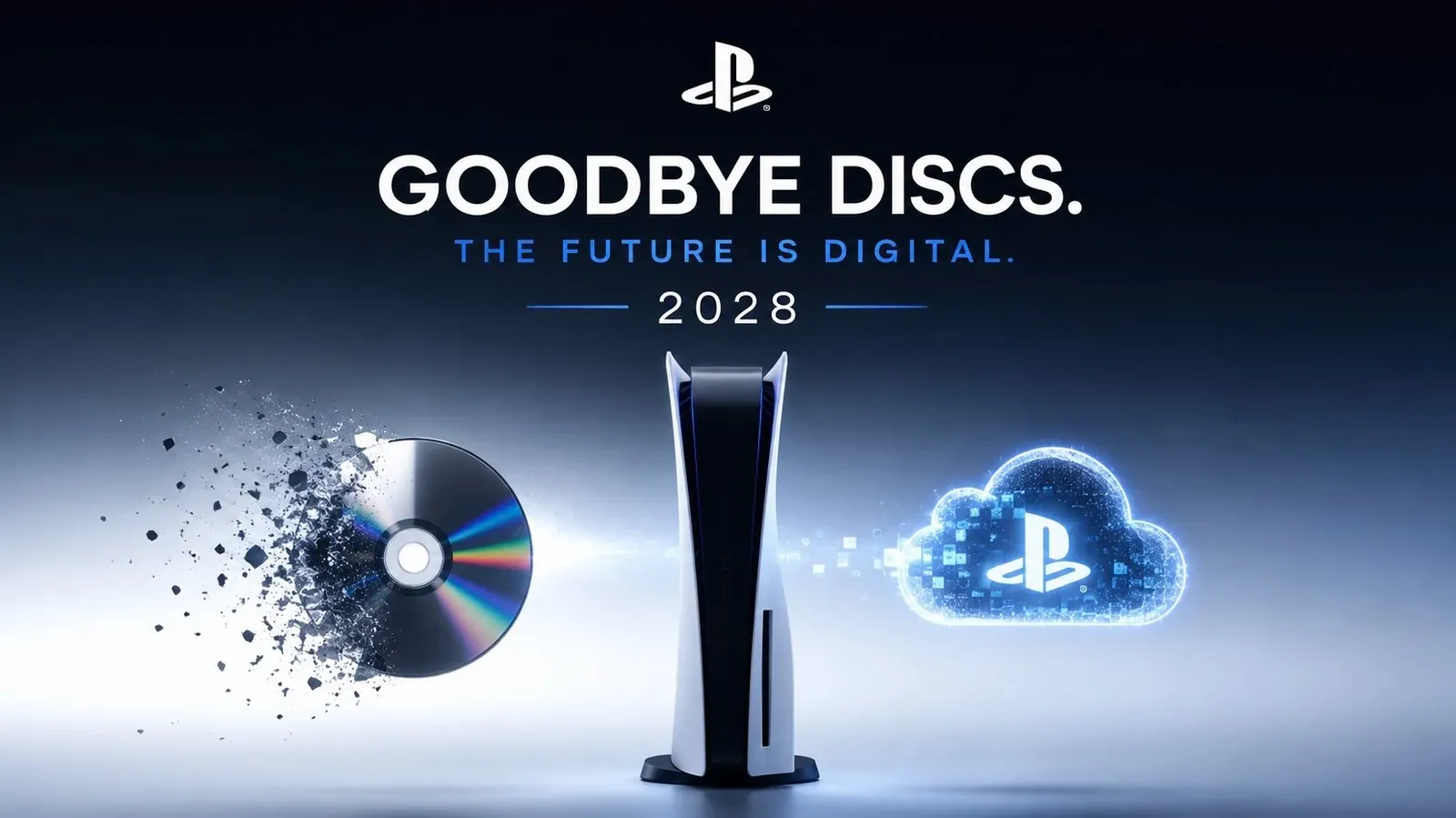
PlayStation’s plan to phase out physical game discs by 2028 marks a significant step toward a fully digital gaming ecosystem. According to RGT 85, this move is not just about streamlining distribution but also about reshaping the balance of power in the gaming industry. By removing physical copies, PlayStation can cut production costs and exert greater control over pricing and access. However, this shift raises concerns for players, including the loss of game ownership, the inability to share or resell titles and an increased reliance on PlayStation’s digital infrastructure.
Understand how this transition impacts key aspects of gaming today. Explore the role of digital-only consoles and subscription services like PlayStation Plus in driving this change. Learn about the financial and practical trade-offs for players, including the rise of microtransactions and potential shifts in pricing models. Decode how these developments reflect broader trends in the industry and what they mean for your gaming experience moving forward.
PlayStation’s Move to Digital-Only Gaming
TL;DR Key Takeaways :
- PlayStation is transitioning to an all-digital future, aiming to phase out physical game discs entirely by 2028, which raises concerns about consumer choice and game ownership.
- The shift to digital storefronts benefits PlayStation with higher profit margins and control but limits gamers’ ability to trade, lend, or resell games.
- Industry trends like gaming subscriptions, microtransactions and digital-only consoles are reshaping the gaming landscape, often prioritizing corporate profits over consumer autonomy.
- The upcoming PlayStation 6 is expected to emphasize digital content and higher pricing, potentially increasing costs for gamers while reducing options.
- Gamers’ responses to these changes will play a critical role in shaping the future of the gaming industry, balancing innovation with consumer preferences and ownership rights.
PlayStation has outlined a clear vision: the era of physical game discs is coming to an end. By 2028, the company aims to phase out physical game ownership entirely, relying exclusively on digital storefronts to distribute its content. This strategy is driven by the potential for increased profit margins and tighter control over game sales and access. For you, this shift means fewer options and a growing dependence on PlayStation’s ecosystem.
The advantages for PlayStation are evident. Digital storefronts eliminate the costs associated with manufacturing and distributing physical copies, allow for dynamic pricing strategies and provide a direct channel to consumers. However, these benefits come with trade-offs for gamers. Without physical copies, you lose the ability to trade, lend, or resell games, effectively granting PlayStation greater control over your purchases. This raises a critical question: does this trade-off align with your expectations as a consumer, or does it limit your freedom of choice?
Consumer Concerns and Corporate Confidence
The move toward a digital-only future has sparked concerns among many gamers, who view PlayStation’s strategy as prioritizing corporate profits over consumer satisfaction. This sentiment is not new; it echoes past controversies, such as the PlayStation 3 era, when high pricing and poor communication alienated parts of the fan base. However, the stakes are higher now, as the very concept of game ownership is being redefined.
PlayStation’s confidence in its loyal fan base adapting to these changes is evident. The company is betting that gamers will prioritize convenience and brand loyalty over concerns about ownership and choice. But this confidence raises important questions. Are gamers willing to compromise their preferences for the sake of convenience? And is PlayStation underestimating the potential backlash from a community that values autonomy and the ability to make independent decisions about their purchases?

Explore further guides and articles from our vast library that you may find relevant to your interests in PlayStation.
Industry-Wide Trends in Gaming
PlayStation’s digital-only strategy is not an isolated phenomenon but part of a broader trend within the gaming industry. Companies across the sector are increasingly adopting business models that prioritize recurring revenue streams, often at the expense of consumer choice. Key trends shaping this shift include:
- Gaming Subscriptions: Services like PlayStation Plus and Xbox Game Pass provide access to extensive libraries of games but tether you to ongoing payments, reducing your ability to own games outright.
- Microtransactions: In-game purchases have become a cornerstone of modern gaming, often prioritizing monetization over enhancing the player experience.
- Digital-Only Consoles: The rise of consoles without disc drives, such as the rumored PlayStation 6, further consolidates control in the hands of corporations, limiting your options as a consumer.
These trends are not unique to gaming. Similar developments can be seen in industries like music and film, where streaming services have largely replaced physical media. For gamers, the challenge lies in navigating this landscape while balancing the convenience of digital access with the desire for ownership and control.
The Future of PlayStation and Gaming
As the gaming industry continues to evolve, the PlayStation 6 is expected to embody this digital-first approach. Early reports suggest that the next-generation console will feature higher pricing and an even greater emphasis on digital content. For you, this could translate to increased costs, not just for the console itself but also for games, subscriptions and additional services.
The question remains: will these changes enhance your gaming experience or simply make it more expensive? Speculation about consumer response is growing. Will gamers push back against rising costs and reduced options, or will they adapt as they have during previous industry shifts? The answer will play a pivotal role in shaping the future of gaming, not just for PlayStation but for the industry as a whole.
Reflecting on the Evolution of Gaming
The gaming landscape has undergone a dramatic transformation over the years. What was once an industry focused on offering diverse options and experiences has increasingly shifted toward aggressive monetization and corporate control. This evolution has left many gamers questioning whether the industry has strayed too far from its roots.
As a consumer, you hold significant influence over these trends. By critically evaluating your support for practices that prioritize profits over player preferences, you can help shape the direction of the gaming industry. The question is whether you are willing to take a stand or if convenience and brand loyalty will ultimately dictate your choices.
The Power to Shape the Future
PlayStation’s commitment to a digital-only strategy reflects a broader shift in the gaming industry. Whether this shift benefits you or leaves you feeling marginalized depends largely on how you and other gamers respond. The future of gaming is not predetermined, it is shaped by the collective actions and decisions of its community. Will you adapt to these changes, resist them, or demand a balance between innovation and consumer choice? The power to influence the industry’s trajectory is in your hands.
Media Credit: RGT 85
Filed Under: Gaming News, Playstation, Top News
Disclosure: Some of our articles include affiliate links. If you buy something through one of these links, Geeky Gadgets may earn an affiliate commission. Learn about our Disclosure Policy.
Credit: Source link