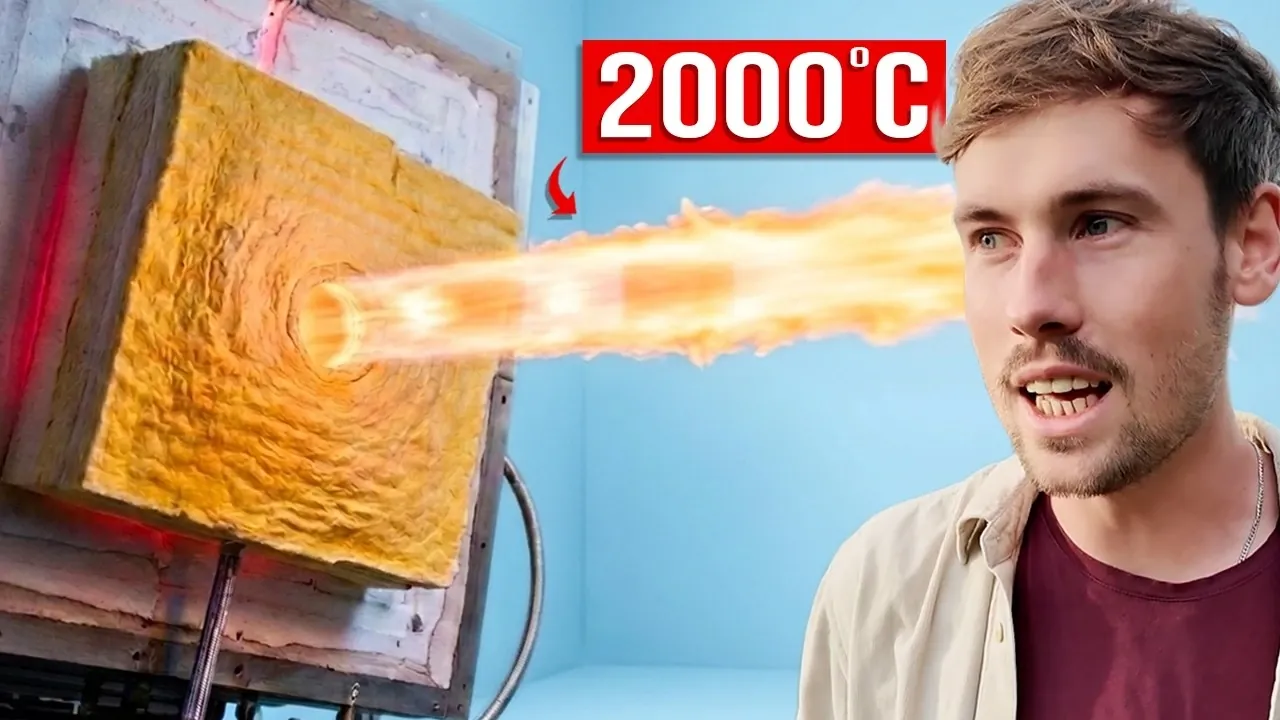
The industrial sector is undergoing a significant shift with the introduction of a fully electric jet heater capable of reaching temperatures up to 2,000°C. Designed to replace fossil fuel-based systems, this technology is particularly impactful for industries like steel production, where high-temperature processes are essential. By using advanced oxide ceramic elements, the electric jet heater achieves exceptional efficiency and durability, addressing challenges such as thermal shock and material brittleness. As Ziroth explains, this innovation represents a critical step toward reducing emissions in heavy industries and aligning with global decarbonization goals.
Explore how this technology integrates with existing systems, such as electric arc furnaces, to enhance the sustainability of steelmaking. Gain insight into the challenges of scaling electrification, including electricity costs and grid infrastructure limitations and discover the role of thermal energy storage in managing energy demands. This explainer also highlights how collaboration among policymakers, energy providers and industry leaders can accelerate the adoption of electric heating systems, paving the way for a more sustainable industrial future.
What is the Electric Jet Heater?
TL;DR Key Takeaways :
- The electric jet heater is a innovative technology capable of reaching 2,000°C, designed to replace fossil fuel-based heating systems in heavy industries, significantly reducing greenhouse gas emissions.
- Advanced oxide ceramic elements enable the heater to achieve extreme temperatures efficiently and reliably, overcoming historical challenges like brittleness and limited conductivity in high-temperature electric systems.
- Steel production, a major contributor to global carbon emissions, can benefit from integrating electric jet heaters with electric arc furnaces, though challenges like high electricity costs and limited grid infrastructure remain.
- Thermal energy storage (TES) systems are critical for managing energy demands, storing excess energy during off-peak hours and supporting the adoption of electric heating technologies in industrial processes.
- Collaboration among industries, policymakers and energy providers is essential to expand grid capacity, reduce energy costs and incentivize the adoption of electrification technologies, driving progress toward global climate goals.
The electric jet heater is a new innovation engineered to replace traditional fossil fuel heating systems in industrial applications. At its core, it employs advanced oxide ceramic elements to achieve extreme temperatures with remarkable efficiency and reliability. These ceramics are specifically designed to endure intense heat and resist thermal shock, overcoming challenges such as brittleness and limited conductivity that have historically hindered high-temperature electric systems.
This technology is particularly fantastic for industries that rely on high-temperature processes, such as steelmaking. By using electricity instead of fossil fuels, the electric jet heater significantly reduces emissions while aligning with the increasing adoption of renewable energy sources. However, achieving such high temperatures with electricity introduces technical challenges, including the need for durable materials and highly efficient energy management systems. These hurdles are being addressed through ongoing advancements in materials science and engineering.
Electrifying Steel Production
Steel production is one of the largest contributors to global carbon emissions, making it a critical focus for decarbonization efforts. Electric jet heaters, when integrated with electric arc furnaces (EAFs), offer a promising solution to reduce the carbon footprint of steelmaking. EAFs melt scrap steel using high-temperature arcs generated by graphite electrodes and the addition of electric jet heaters can further enhance the efficiency and sustainability of this process.
Despite its potential, the transition to electric systems in steel production faces significant challenges. High electricity costs and limited grid infrastructure, particularly in regions like Europe, pose substantial barriers to widespread adoption. Addressing these obstacles will require coordinated efforts to expand grid capacity, reduce energy costs and incentivize industrial users to adopt electric technologies. Governments, energy providers and industry leaders must collaborate to create an environment conducive to the electrification of steel production.

Learn more about energy with other articles and guides we have written below.
The Role of Industrial Heat in Energy Consumption
Industrial heat accounts for approximately 20% of global energy consumption, spanning a wide range of sectors, including steel, chemicals, textiles and food processing. Transitioning these energy-intensive processes to electric heating systems like the electric jet heater will require significant investments in electricity generation and grid infrastructure. Industries will need to adapt their energy strategies, incorporating renewable energy sources and upgrading grid systems to meet the increased demand for electricity.
The shift to electrified industrial heat also presents an opportunity to integrate renewable energy into industrial operations. By using clean energy sources, industries can further reduce their environmental impact while making sure a stable and sustainable energy supply. This transition will play a pivotal role in achieving global climate targets and reducing the overall carbon footprint of heavy industries.
Thermal Energy Storage: A Key Enabler
Thermal energy storage (TES) systems are emerging as a practical solution to manage the energy demands associated with industrial electrification. TES systems store excess energy during off-peak hours, allowing industries to access cost-effective electricity when needed. This approach not only reduces operational costs but also alleviates strain on the grid during peak demand periods.
As electrification scales up, TES is expected to play a critical role in supporting the widespread adoption of electric heating technologies. By providing a reliable and flexible energy storage solution, TES systems can help industries overcome the challenges of fluctuating energy demand and intermittent renewable energy supply. This technology will be instrumental in making sure the long-term viability of electrified industrial processes.
Reducing Construction Industry Emissions
The construction sector, responsible for over 30% of global emissions, presents another significant opportunity for electrification and material innovation. Steel and cement, two of the most carbon-intensive materials, are major contributors to these emissions. By integrating electric heating technologies and adopting sustainable materials, the construction industry can make meaningful progress toward reducing its environmental impact.
Innovations such as replacing concrete with timber in construction projects offer a promising way to lower emissions. Additionally, the use of electric jet heaters in the production of construction materials like steel and cement can further enhance the sector’s sustainability. By embracing these advancements, the construction industry can align with global climate goals and contribute to a more sustainable future.
Collaboration and Policy: The Path Forward
The successful electrification of heavy industries will require collaboration among startups, established companies and policymakers. Partnerships are essential to accelerate the development and deployment of technologies like the electric jet heater. Policymakers, in particular, must implement science-based regulations and incentives to support this transformation.
Key areas for policy focus include energy pricing, grid infrastructure expansion and financial incentives for adopting clean technologies. By creating a supportive regulatory environment, governments can encourage industries to invest in electrification and renewable energy integration. Collaboration between the public and private sectors will be crucial to overcoming the challenges associated with industrial electrification.
Future Innovations and Opportunities
Advancements in materials science, energy storage and renewable energy integration will be critical to sustaining the momentum of industrial electrification. For instance, further innovations in oxide ceramics could improve the efficiency and durability of electric heating systems, making them more accessible and cost-effective for a wider range of applications.
Additionally, integrating renewable energy sources into industrial operations will help reduce emissions across heavy industries. By electrifying industrial processes and adopting sustainable practices, industries can play a pivotal role in achieving global climate targets. The electric jet heater exemplifies how technology, innovation and collaboration can drive meaningful progress in the fight against climate change, paving the way for a cleaner and more sustainable future.
Media Credit: Ziroth
Filed Under: Technology News, Top News
Disclosure: Some of our articles include affiliate links. If you buy something through one of these links, Geeky Gadgets may earn an affiliate commission. Learn about our Disclosure Policy.
Credit: Source link