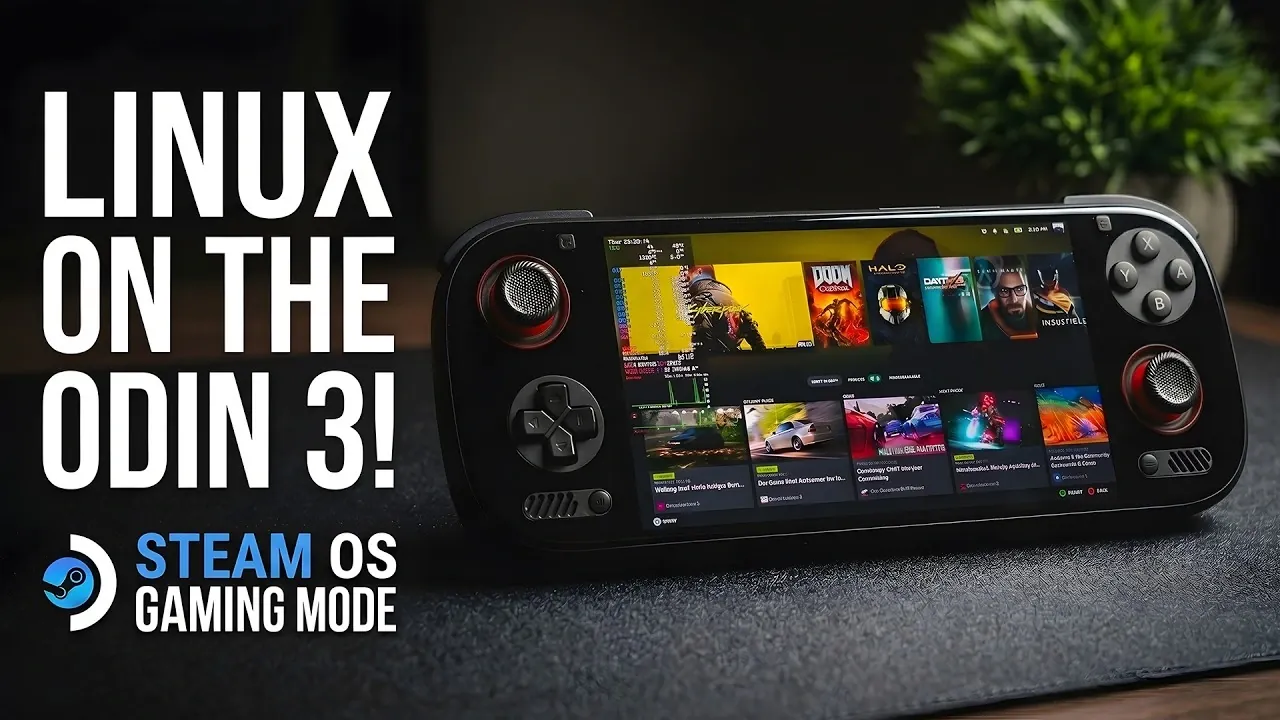
The Odin 3 handheld gaming device, equipped with the Snapdragon 8 Gen 1 ARM-based CPU, has emerged as a platform capable of running Rocknix Linux, allowing it to function as a compact gaming system. According to ETA Prime, this setup allows for native ARM64 Steam support and compatibility with Linux-based PC games, but it also comes with notable limitations. For instance, the device faces challenges such as thermal throttling under extended use and limited software optimization, which can impact performance consistency. These factors make the Odin 3 an intriguing option for tech enthusiasts willing to navigate its experimental nature.
Dive into how Rocknix Linux supports Proton for running games like Hades 2 and Doom Eternal on the Odin 3. Understand the hardware constraints, including the reliance on active cooling and the lack of features like TDP adjustment, which can affect performance tuning. Additionally, learn how utilities such as Gamecope enable real-time monitoring and adjustments, helping users optimize their gaming experience within the device’s limitations. This analysis provides a detailed look at the possibilities and challenges of ARM-based gaming on the Odin 3.
TL;DR Key Takeaways :
- The Odin 3 handheld gaming device, powered by the Snapdragon 8 Elite CPU, introduces Rocknix Linux, allowing native ARM64 Steam support and Linux-compatible PC gaming.
- Key hardware features include an Adreno 830 GPU, 16GB of RAM and the option to install Linux on internal storage or a microSD card, allowing flexibility for experimentation.
- Performance challenges include thermal throttling, noticeable fan noise and inconsistent performance with graphically demanding games, highlighting the device’s experimental nature.
- Gamecope, inspired by the Steam Deck, provides real-time performance overlays and system controls, but the lack of advanced features like TDP control limits optimization potential.
- The Odin 3 serves as a proof of concept for ARM-based gaming, appealing to enthusiasts and developers, while facing significant hurdles in performance, compatibility and refinement compared to x86-based platforms like the Steam Deck.
What Powers the Odin 3?
At the heart of the Odin 3 lies the Snapdragon 8 Elite, an ARM-based CPU featuring eight cores and paired with 16GB of RAM. Its Adreno 830 GPU provides the graphical horsepower necessary for gaming, while the device’s design offers flexibility for Linux installations. Users can choose to install Rocknix Linux on either the internal storage or a microSD card, allowing experimentation without overwriting the device’s original Android firmware.
To manage heat during gaming sessions, the Odin 3 includes a fan cooling system, but thermal management remains a persistent concern. Under heavy workloads, the device is prone to thermal throttling, which can significantly impact performance. This hardware design reflects the inherent challenges of adapting a device originally optimized for Android to meet the demands of Linux-based gaming. While the Snapdragon 8 Elite is a capable processor, its limitations become apparent when running more demanding Linux applications and games.
Linux Meets Steam: What’s Possible?
The integration of Rocknix Linux brings native ARM64 Steam functionality to the Odin 3, unlocking access to a portable Steam library. With support for Proton 11 and Proton Experimental, the device can run a variety of Linux-compatible PC games. Popular titles such as Hades 2, Silk Song, and Doom Eternal are playable, thanks to compatibility layers that translate Windows-based games to Linux. This feature highlights the potential of ARM-based gaming, even on a compact handheld device.
Additionally, the Odin 3 incorporates Gamecope, a feature inspired by the Steam Deck. Gamecope provides real-time performance overlays and system-level controls, allowing users to monitor metrics such as frame rates, temperatures and resource usage. These tools allow gamers to fine-tune their experience, but the hardware’s limitations often necessitate compromises in settings to achieve stable performance. While the inclusion of Gamecope is a step forward, it underscores the experimental nature of the platform.

Gain further expertise in handheld game consoles by checking out these recommendations.
Performance: A Mixed Bag
The Odin 3 delivers a mixed performance experience, largely dependent on the optimization of individual games for ARM64 architecture. Less demanding titles, such as Hades 2, tend to run smoothly, showcasing the potential of the device. However, graphically intensive games like Doom Eternal often struggle with unstable frame rates and performance drops. This inconsistency highlights the challenges of adapting PC games to ARM-based hardware, which is still in its early stages of development.
Thermal management is another area where the Odin 3 falls short. While the fan cooling system helps mitigate heat buildup, it generates noticeable noise during intensive gaming sessions. Prolonged use can lead to thermal throttling, reducing the device’s performance over time. These issues are compounded by the lack of advanced features such as TDP (Thermal Design Power) control and GPU tuning, which are standard on more mature platforms like the Steam Deck. As a result, the Odin 3 struggles to maintain consistent performance during extended gaming sessions.
Key Challenges and Limitations
Despite its innovative approach, the Odin 3 faces several hurdles that limit its appeal as a mainstream gaming device. These challenges include:
- Inconsistent performance across games, particularly those with high graphical demands.
- Thermal throttling and noticeable fan noise during extended use, impacting the overall gaming experience.
- Compatibility issues with certain games and software, limiting the range of playable titles.
- Absence of advanced features like TDP control and GPU tuning, which are essential for optimizing performance on handheld devices.
These limitations make the Odin 3 more suitable for enthusiasts and developers who are willing to experiment, rather than gamers seeking a polished and seamless experience. The device’s current state reflects the growing pains of ARM-based gaming, which is still in its infancy compared to x86-based platforms.
Looking Ahead: The Future of ARM Gaming
The Rocknix Linux team is actively working on optimizations and bug fixes, with future updates expected to improve the operating system’s stability and performance. As ARM-based hardware continues to evolve, devices like the Odin 3 could eventually narrow the performance gap with x86-based platforms. The growing interest in ARM64 gaming suggests that developers may increasingly optimize their games for this architecture, paving the way for broader adoption.
For now, the Odin 3 serves as a proof of concept for ARM-based Linux gaming. It demonstrates that running PC games on a compact, portable device is possible, but it lacks the refinement and performance of more established platforms like the Steam Deck. As the ecosystem matures, the Odin 3 could play a pivotal role in shaping the future of portable gaming, offering a glimpse into what’s possible with ARM-based technology.
While the Odin 3 is not yet a viable replacement for the Steam Deck, it represents an exciting step forward for handheld gaming enthusiasts. Its ability to run Rocknix Linux and support native ARM64 Steam functionality highlights the potential of ARM-based devices, even as they face significant challenges. For those willing to explore the cutting edge of gaming technology, the Odin 3 offers a unique and intriguing platform to experiment with.
Media Credit: ETA PRIME
Filed Under: Gaming News, Guides, Linux News
Disclosure: Some of our articles include affiliate links. If you buy something through one of these links, Geeky Gadgets may earn an affiliate commission. Learn about our Disclosure Policy.
Credit: Source link