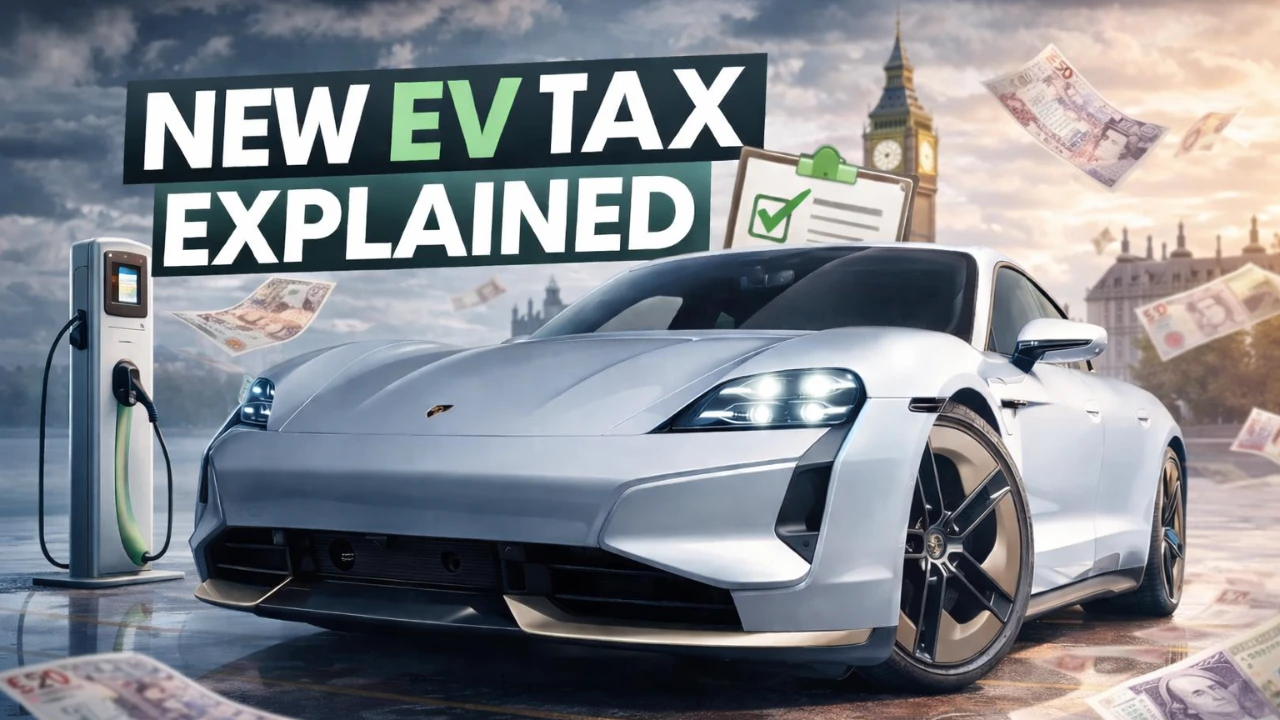
The UK government plans to introduce the Electric Vehicle Excise Duty (EVED) in April 2028, a pay-per-mile taxation system specifically designed for electric vehicles (EVs). This initiative aims to address the growing shortfall in fuel duty revenue as more drivers transition from internal combustion engine (ICE) vehicles to EVs. While the system is intended to be straightforward and privacy-conscious, it has sparked debates about its potential effects on EV adoption and possible unintended consequences.

Why EVED Is Being Introduced
The introduction of EVED is primarily driven by the need to offset the decline in fuel duty revenue, which has historically been a significant source of funding for essential public services such as healthcare, education, and infrastructure development. As EV adoption accelerates, traditional fuel tax revenues are diminishing, creating a pressing need for alternative taxation models.
EVED is designed to ensure that EV drivers contribute to public funding in a manner similar to petrol and diesel vehicle owners, albeit at a reduced rate. By implementing this system, the government seeks to maintain a sustainable revenue stream while supporting the broader transition to cleaner transportation.
How the Scheme Works
Under the EVED system, EV drivers will pay a tax of 3p per mile, which is approximately half the fuel duty rate for ICE vehicles. Plug-in hybrid drivers will be taxed at a lower rate of 1.5p per mile, reflecting the assumption that half of their mileage is powered by electricity.
Drivers will estimate their annual mileage and pay the tax upfront. At the end of the year, adjustments will be made based on odometer readings to ensure accuracy. This approach eliminates the need for real-time tracking devices, simplifying the process for both drivers and administrators. By relying on odometer readings, the system aims to strike a balance between efficiency and privacy.
Privacy and Data Collection
To address privacy concerns, the government has confirmed that no tracking devices or black boxes will be required under the EVED system. Instead, only annual mileage data will be collected from drivers. This ensures that personal driving habits, routes and locations remain private while maintaining the system’s effectiveness.
By adopting this limited data collection approach, the government seeks to respect individual privacy rights while implementing a taxation model that is both practical and transparent.
Challenges and Criticisms
Despite its objectives, the EVED scheme has faced criticism from various stakeholders. Concerns include:
- Impact on EV Adoption: The additional costs associated with EVED may discourage potential EV buyers, particularly those who rely on public charging infrastructure, which is often more expensive than home charging.
- Odometer Fraud: The reliance on odometer readings could inadvertently encourage tampering, as some drivers might underreport mileage to reduce their tax burden.
- International Travel: Drivers who frequently travel abroad may face unfair costs, as the scheme does not currently account for miles driven outside the UK.
These challenges highlight the need for careful consideration and refinement of the policy to ensure it achieves its goals without creating undue burdens or unintended consequences.
Government’s Mitigation Efforts
In response to the criticisms, the government has proposed several measures to address the concerns raised:
- Revenue Reinvestment: The funds generated through EVED will be reinvested to support EV grants and raise the luxury tax threshold for EVs, making them more affordable for consumers.
- Fraud Prevention: Advanced technologies and stricter policies are being explored to combat odometer fraud and ensure fairness in the system.
- Public Consultation: The government is actively seeking feedback from stakeholders to refine the scheme and address unresolved issues before its implementation.
These efforts aim to balance the need for revenue generation with the promotion of sustainable transportation and equitable taxation.
What EVED Means for Drivers
For EV drivers, the introduction of EVED will result in increased running costs. However, these costs are expected to remain lower than those associated with petrol and diesel vehicles in most cases. Drivers who rely on home charging will continue to benefit from lower electricity rates, while those dependent on public charging stations may face higher overall expenses.
The financial impact of EVED will largely depend on individual driving habits, annual mileage, and access to affordable charging infrastructure. Drivers with higher annual mileage or limited access to home charging may experience a more significant financial burden under the new system.
Unanswered Questions
Several aspects of the EVED policy remain undecided, with public input playing a crucial role in shaping the final framework. Key unresolved issues include:
- How to effectively prevent odometer fraud and ensure an accurate mileage overview.
- Whether to implement reimbursement mechanisms for drivers who travel internationally and incur mileage outside the UK.
- How to ensure the scheme does not disproportionately affect specific groups, such as rural drivers or those with limited access to home charging facilities.
These unanswered questions underscore the importance of ongoing dialogue and collaboration between the government, industry stakeholders and the public to create a fair and effective taxation system.
The Future of EVED and Sustainable Transportation
The EVED pay-per-mile scheme represents a significant shift in how electric vehicles are taxed in the UK. While it aims to address the decline in fuel duty revenues and ensure equitable contributions from all drivers, its potential impact on EV adoption and operating costs has raised valid concerns.
As the government continues to refine the policy through public consultation and stakeholder engagement, the success of EVED will depend on its ability to balance revenue generation with the promotion of sustainable and accessible transportation for all.
Source & Image Credit: Autotrader
Filed Under: Auto News, Technology News
Disclosure: Some of our articles include affiliate links. If you buy something through one of these links, Geeky Gadgets may earn an affiliate commission. Learn about our Disclosure Policy.
Credit: Source link